
Pinterest Affiliate Marketing for Beginners (Start Here)
If you are new to Pinterest affiliate marketing, the biggest mistake is trying to do too much too fast.
A lot of beginners think they need:
the perfect niche
the perfect blog
the perfect funnel
the perfect tools
hundreds of perfect pins
You do not.
What you need is a simple setup you can actually follow.
That is what this post is for.
This is the beginner version.
The simple path.
If you keep it simple, this can work a lot better than most people think.
New here? Start with the free guide that shows the setup behind this process ↓

Free Setup Guide
Want the Simple Pinterest Affiliate Setup?
See how content, traffic, and follow-up can work together in a clear beginner-friendly way.
- Simple 3-step setup
- Built for beginners
- Covers pages, traffic, and follow-up
Disclosure: I may earn a commission from links in this post (no extra cost to you).
What Pinterest affiliate marketing actually is
Let’s make this easy.
Pinterest affiliate marketing means:
You create pins that get clicks from Pinterest.
Those clicks go to:
a helpful blog post
a landing page
a simple bridge page
Then that page leads people to:
an opt-in
an affiliate offer
or both in the right order
So the basic flow looks like this:
Pin → page → next step → follow-up
That is it.
Not:
random direct links everywhere
confusing pages
10 offers at once
Simple works better.
Step 1: Pick one niche first
Do not start with five niches.
Start with one.
This matters because Pinterest understands accounts better when your content is more focused.
It also helps you:
create cleaner boards
write clearer posts
make more relevant pins
recommend better affiliate offers
A good beginner niche is usually:
visual
searchable
easy to explain
easy to monetize naturally
Examples:
Pinterest marketing
blogging tools
home organization
meal planning
wellness routines
printables
productivity
If you want help choosing the right one, read:
Best Pinterest Niches for Affiliate Marketing (That Actually Convert)
Step 2: Choose your setup
This is where a lot of people get stuck.
They ask:
Do I need a blog?
The answer is:
Not always. But you do need a clear page.
You can start with:
a blog post
a landing page
a simple bridge page
For most beginners, the best setup is:
Pinterest pin → one clear page → opt-in → short follow-up
That gives you:
more trust
more control
better conversions
a second chance through email
If you want to keep things simple without building a full blog first, this beginner-friendly all-in-one tool can help you set up one page and simple email follow-up in one place.
If you want the full comparison, read:
Pinterest Affiliate Marketing Without a Blog vs With a Blog (What Works Now)
Step 3: Create simple pins
You do not need perfect pins.
You need clear pins.
A beginner pin should do one thing well:
Make one clear promise.
That promise can be:
a how-to
a checklist
a beginner guide
a mistake to avoid
a simple template
a problem and fix
Examples:
How to Add Affiliate Links on Pinterest
Pinterest Clicks but No Sales? Fix This
Best Pinterest Niches for Affiliate Marketing
Simple Pinterest Landing Page Template
Good pins are usually:
easy to read
specific
not too busy
matched closely to the page
The goal is not “pretty.”
The goal is:
the right click.
If you want the full strategy, read:
Pinterest Pin Strategy for Affiliate Sales (Not Just Clicks)
Step 4: Use one clear landing page or post
This is one of the biggest beginner mistakes.
A lot of people send Pinterest clicks to:
a homepage
a messy page
a random article
a page with too many options
That usually hurts conversions.
Pinterest traffic does better when it lands on one page that clearly says:
what this is
why it matters
what to do next
A good beginner page usually has:
a simple headline
a short explanation
a few bullets
one main CTA
a small trust line
That is enough.
You do not need a huge complicated funnel.
If you want a full page breakdown, read:
Best Landing Page for Pinterest Affiliate Traffic (Simple Template)
Want the simple setup behind this?
Get the free Pinterest affiliate blueprint. It shows the simple flow: niche → pins → one page → email follow-up.
Step 5: Add affiliate links the safe way
This part matters.
Yes, you can use affiliate links with Pinterest.
But you should do it in a clean way.
The safest and easiest beginner setup is usually:
Pin → helpful page → affiliate link
Why this works:
more trust
better context
better conversion flow
easier to disclose clearly
If you skip the helpful page and send cold traffic straight to random offers, results are often weaker.
You also want to make sure your affiliate links:
fit the topic
feel natural
solve a clear problem
are disclosed clearly
Step 6: Use simple follow-up
This is where a lot of beginners leave money on the table.
They get the click.
Then the person leaves.
End of story.
That is why email follow-up matters.
A simple beginner follow-up can look like this:
Email 1
Deliver the guide or welcome them
Email 2
Give one small tip or quick win
Email 3
Explain one common mistake
Email 4
Recommend a helpful next step or tool
Email 5
Give a reminder or simple action step
That is enough to start.
Do not overbuild.
Keep it light.
Keep it clear.
If you want a simple way to build the page + email setup together, this beginner-friendly funnel tool is one option that fits this approach well.
Step 7: Track what happens
A lot of beginners only look at:
impressions
saves
random clicks
That is not enough.
You want to know:
which pins get outbound clicks
which pages hold attention
which pages get opt-ins
which links get clicked
which traffic turns into better results
That helps you stop guessing.
It also helps you see what is actually worth making more of.
Read:
What beginners usually get wrong
Here are the most common mistakes:
1) Doing too much too early
Too many offers.
Too many pages.
Too many topics.
Simple is better.
2) Picking a weak niche
A niche with no clear traffic or monetization path makes everything harder.
3) Sending traffic to the wrong page
A homepage or random page is usually weaker than one focused page.
4) Making pins too broad
Vague pins bring vague clicks.
5) No email follow-up
If you do not capture the click, you often lose the chance.
6) Not tracking anything useful
If you cannot tell what is working, it is hard to improve.
The best beginner mindset
This matters more than people think.
Do not think:
“How do I build a huge business in one week?”
Think:
“How do I build one simple system I can repeat?”
That mindset is better.
For beginners, the winning setup is usually:
one niche
one type of person
one page
one main CTA
one short follow-up
one helpful offer
That is enough.
You can expand later.
A very simple beginner roadmap
If you want the cleanest version, follow this order:
1) Pick a niche
2) Choose your setup
3) Create a helpful page
4) Make a few clear pins
5) Add one opt-in
6) Set up a short email follow-up
7) Recommend one helpful offer
8) Track what happens
That is the roadmap.
Not complicated.
Not fancy.
Just usable.
A quick example
Let’s say your niche is Pinterest affiliate marketing.
Your beginner setup could look like this:
Pin
“Pinterest affiliate marketing for beginners”
Page
A simple blog post or landing page explaining:
what it is
how it works
what to do first
CTA
“Get the free beginner blueprint”
Emails
A short sequence that teaches the next few steps
Offer
A helpful tool or simple system that fits the setup
That is a real beginner path.
If you want to use the blog route
A blog can be a very strong long-term choice because it gives you:
more trust
more content depth
more chances to rank
easier internal linking
more room to recommend offers naturally
If you want to start a blog setup, you will usually need hosting and a domain.
A simple beginner hosting option is this beginner blog setup.
And if you want to register your domain separately, this domain service is a simple option to look at.
That said, do not feel like you need to build everything at once.
Start with what you can manage.
Quick checklist: Pinterest affiliate marketing for beginners
Before you move forward, check this:
✅ One niche
✅ One clear page
✅ One main CTA
✅ One simple pin promise
✅ One short email follow-up
✅ One helpful offer
✅ One basic tracking system
If most of these are true, you are already in a better place than most beginners.
Want the simple setup behind this?
If you want the clean beginner setup for Pinterest affiliate marketing:
Get the free Pinterest affiliate blueprint.
It shows the simple flow: niche → pins → one page → email follow-up.
Download the free guide here ↓
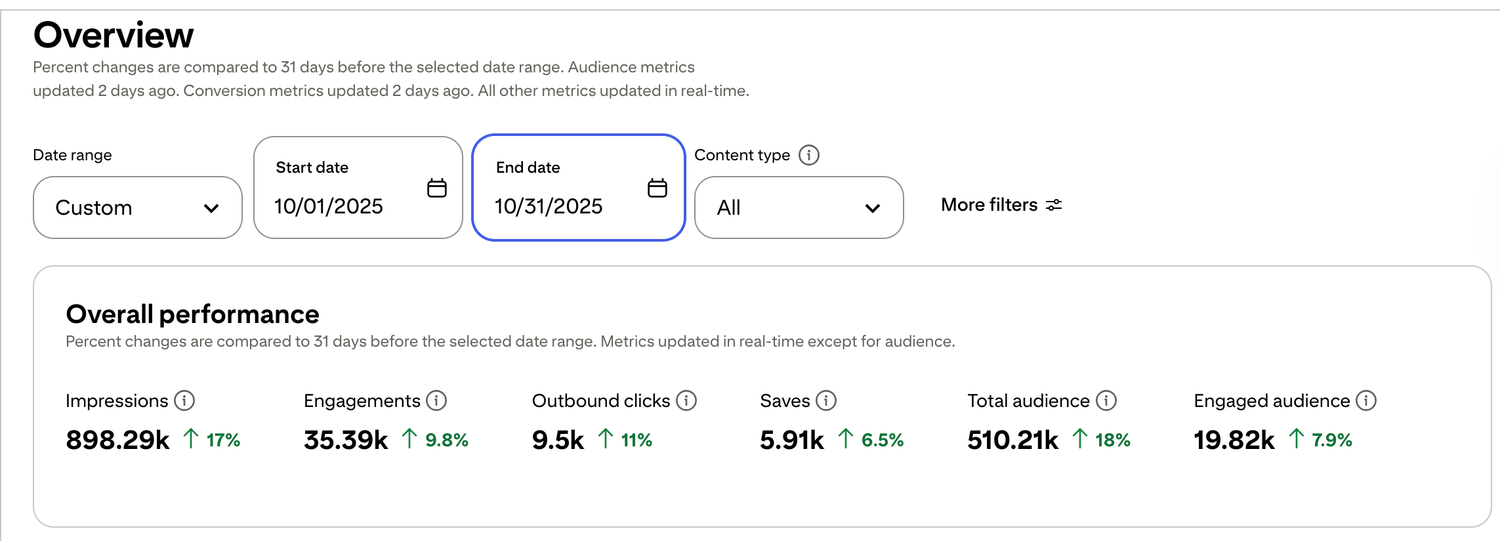
🎯 See a Real Pinterest Traffic Example
This snapshot shows how content, pin design, and posting can work together over time.
If you want my exact Pinterest affiliate setup (landing page + emails + weekly pin plan), I organized it step-by-step inside my Core System (it’s $27). No pressure — But if you want Pinterest traffic to turn into commissions, the setup matters more than trying to do everything at once.

Free guide for beginners who want a simpler starting point
🎯 Ready to See the Free Guide?
Download the guide and explore the simple setup inside.
🔒 100% Secure • No Spam • Unsubscribe Anytime

A blog sharing practical tips on online tools, affiliate marketing, beginner-friendly workflows, and working from home.


