
Best Pinterest Niches for Affiliate Marketing (That Actually Convert)
A lot of people choose a niche the wrong way.
They choose a niche because:
it looks popular
it feels exciting
other people are posting about it
But that does not always mean it will convert.
If you want affiliate sales from Pinterest, the better question is:
What niche fits Pinterest behavior best?
Because some niches get attention, but they do not turn into clicks, opt-ins, or sales very well.
Other niches do.
This post will show you the best Pinterest niches for affiliate marketing, what makes a niche easier to monetize, and how to choose one that actually fits long-term.

Free Setup Guide
Want the Simple Pinterest Affiliate Setup?
See how content, traffic, and follow-up can work together in a clear beginner-friendly way.
- Simple 3-step setup
- Built for beginners
- Covers pages, traffic, and follow-up
Disclosure: I may earn a commission from links in this post (no extra cost to you).
Quick truth: not every niche works the same on Pinterest
Pinterest is not just a place for random inspiration.
People go there to search for:
ideas
solutions
steps
inspiration they can use
things they want to save for later
That means the best Pinterest niches usually have 3 things:
1. Strong visual appeal
2. Clear search intent
3. A natural next step
If your niche only gets attention but has no real follow-up path, it can be hard to monetize.
That is why some accounts get traffic but still make very little money.
What makes a niche good for Pinterest affiliate marketing?
Before we get into niche ideas, let’s make this simple.
A strong Pinterest niche usually checks most of these boxes:
1) It is visually easy to pin
Pinterest is still visual.
Your topic should be easy to turn into:
photos
graphics
checklists
before/after angles
step-by-step pins
“save this” content
If a niche is hard to show visually, it is usually harder to scale on Pinterest.
2) It has clear problems to solve
The best niches are not just “interesting.”
They solve real problems.
Examples:
how to organize something
how to save time
how to lose weight
how to make money
how to plan meals
how to decorate a room
how to start a blog
Problem-solving content converts better than vague inspiration.
3) It has lots of searchable angles
A good niche should give you many post ideas.
Not 5.
More like 20, 30, even 50+ angles over time.
If your niche is too narrow, you run out of ideas fast.
If it is too broad, your message gets messy.
The sweet spot is a niche where you can create:
list posts
how-to posts
templates
beginner guides
mistake posts
comparison posts
That gives Pinterest more content to understand and distribute.
4) It has a natural affiliate fit
This part matters.
A niche may get traffic, but if there are no natural offers to recommend, monetization gets harder.
The best niches usually have natural affiliate paths like:
tools
courses
templates
digital products
memberships
physical products
And those offers should feel like a natural next step, not forced.
5) It fits “save-worthy” behavior
Pinterest users love content they can save and come back to later.
That means niches do well when the content feels like:
“I need this later”
“save this idea”
“use this checklist”
“try this next week”
“come back to this setup”
This is why certain niches do better than others.
Want the simple setup behind this?
Get the free Pinterest affiliate blueprint. It shows the simple flow: niche → pins → one page → email follow-up.
Related reading: How to Add Affiliate Links on Pinterest (Safe & Simple)
Best Pinterest niches for affiliate marketing
Here are some of the strongest niche types for Pinterest.
Not because they are trendy.
Because they match how Pinterest users behave.
1) Business, blogging, and Pinterest marketing
This is one of the best niches if you want to promote:
tools
courses
templates
email platforms
funnel builders
Pinterest software
Why it works:
strong search intent
clear affiliate fit
lots of how-to content
easy to create guides and templates
Examples of content:
how to start affiliate marketing on Pinterest
best tools for beginner bloggers
simple landing page setup
Pinterest pin strategy
email sequence tips
This niche works especially well if you like teaching systems and simple processes.
It is also easier to connect the blog post to a tool recommendation naturally.
For example, if you build content around a simple page + email setup, this beginner-friendly all-in-one tool can be a natural fit for the page and follow-up side.
If your main problem is staying consistent with posting, this Pinterest scheduling tool can make that part easier.
And if you want help finding stronger keyword angles before you create content, this Pinterest research tool can help you plan with more direction.
That is one reason this niche monetizes well.
The tools fit the content naturally.
2) Home, organization, and printables
This niche works well because Pinterest users naturally save this kind of content.
Examples:
home organization
decluttering
cleaning schedules
printable planners
meal planners
family routines
storage ideas
Why it works:
highly visual
easy to save
easy to create templates and printables
strong product and affiliate fit
This niche can monetize through:
printable products
organization tools
planning templates
household product recommendations
If you like practical lifestyle content, this niche is strong.
3) Wellness, food, and routines
Pinterest has always been strong for this kind of content.
Examples:
smoothie ideas
tea and coffee routines
healthy meal prep
wellness habits
morning routines
anti-bloat foods
easy healthy recipes
Why it works:
visual
highly searchable
easy to save
problem-solution focused
This niche often works best when the content is specific.
For example:
“high protein breakfast ideas”
“smoothies for busy mornings”
“tea routine for bloating”
“easy meal prep ideas”
Specific content converts better than broad content like “be healthy.”
4) Beauty, fashion, and lifestyle
This niche has strong visual appeal.
Examples:
skincare routines
makeup ideas
outfit inspiration
capsule wardrobe
hair care
beauty tools
style guides
Why it works:
very visual
great for saves
strong product affiliate opportunities
easy to create list-style or routine-based content
This niche works best when you narrow it a bit.
For example:
skincare for beginners
capsule wardrobe ideas
simple makeup routine
beauty products for oily skin
The more specific the angle, the easier it is to stand out.
Related reading: Pinterest Pin Strategy for Affiliate Sales (Not Just Clicks)
5) Finance, productivity, and self-improvement
This can be a strong niche too, but it needs clearer structure.
Examples:
budgeting tips
money-saving systems
side hustle ideas
productivity routines
habit trackers
goal planning
work-from-home organization
Why it works:
strong problem-solving angles
checklist and template friendly
lots of opt-in opportunities
fits tools and digital products
This niche works best when the content feels practical.
Pinterest users respond better to:
“simple budgeting checklist”
“weekly planning system”
“easy side hustle ideas”
than vague content like:
“be more productive”
What usually converts better on Pinterest?
This is important.
Some niches get lots of saves and views, but not many sales.
The niches that usually convert better have:
clear problems
clear outcomes
clear offers
That means problem-solution niches usually do better than pure inspiration niches.
Better for conversions
affiliate marketing
blogging tools
organization systems
meal planning
productivity tools
printables
routines
beginner how-to content
Harder to monetize
very broad inspiration
random quote content
vague lifestyle posting
topics with no clear next step
Traffic is nice.
But conversion is what matters.
What to avoid when choosing a niche
Choosing the wrong niche can waste a lot of time.
Here are the biggest mistakes.
1) Choosing a niche you do not understand
You do not need to be the world’s top expert.
But you do need enough clarity to create helpful content.
If you do not understand the niche, your content usually becomes too generic.
That makes conversion harder.
2) Chasing trends with no monetization plan
A trend can bring attention.
But if there is no content depth or no natural offer path, it usually does not become a real business.
You want a niche that has:
traffic potential
content depth
monetization options
Not just short-term buzz.
3) Picking something too broad
If your niche is too broad, Pinterest gets weak topic signals.
Your audience also gets confused.
A broad niche like “lifestyle” is much weaker than:
meal prep
skincare routines
Pinterest affiliate marketing
printable planners
Specific wins.
4) Forcing offers into unrelated content
This hurts trust fast.
If the offer does not match the content, readers feel it.
The best affiliate content feels natural.
The offer should feel like:
“Yeah, that makes sense here.”
Not:
“Why is this here?”

You might like - Pinterest Clicks but No Sales? Here’s What’s Missing (Fix This)
How to choose your niche (simple filter)
Here is a simple way to test a niche before you commit to it.
Ask these 5 questions:
1) Can I create 20–50 post angles from this?
If yes, good sign.
2) Can I make Pinterest-friendly pins for it?
If yes, even better.
3) Are there natural affiliate offers in this space?
If no, monetization may be harder.
4) Do people search and save this topic on Pinterest?
If yes, strong sign.
5) Can I explain this topic simply?
If yes, that helps conversion a lot.
If your niche passes most of these, it is probably worth building.
Example: how one niche turns into a full Pinterest system
Let’s say your niche is:
Pinterest affiliate marketing
Here is how it can turn into a full system.
Blog posts
how to add affiliate links on Pinterest
best affiliate programs for Pinterest
best niches for Pinterest affiliate marketing
landing page for Pinterest traffic
how to track Pinterest clicks
Pins
problem pins
checklist pins
how-to pins
proof pins
Opt-in
free setup guide
checklist
blueprint
Offers
page builder tool
scheduling tool
Pinterest research tool
low-cost core system
That is what a monetizable niche looks like.
It is not random.
It is a connected system.
One niche is enough to start
A lot of beginners think they need multiple niches.
They don’t.
One clear niche is enough to start building:
traffic
trust
content depth
affiliate income
In fact, focusing on one niche first is usually better.
It helps Pinterest understand your account faster.
It also helps you build cleaner boards, better content clusters, and stronger internal links.
You can expand later.
But at the beginning, focus wins.
Best niche mindset for long-term money
Do not ask:
“What niche is hottest right now?”
Ask:
“What niche can I build 20+ useful posts around, create strong pins for, and monetize naturally?”
That is the better question.
Because long-term Pinterest income comes from:
good content depth
useful posts
clear offers
smart follow-up
Not from chasing random trends every week.
Quick checklist: is this a good Pinterest niche?
Before choosing your niche, check this:
✅ Visually easy to pin
✅ Solves clear problems
✅ Has many content angles
✅ Has natural affiliate offers
✅ Easy to save/search on Pinterest
✅ Easy to explain simply
✅ Fits long-term content growth
If most of these are true, it is probably a strong niche.
Want the simple setup behind this?
If you want the clean beginner setup for Pinterest affiliate marketing:
Get the free Pinterest affiliate blueprint.
It shows the simple flow: niche → pins → one page → email follow-up.
Download the free guide here ↓
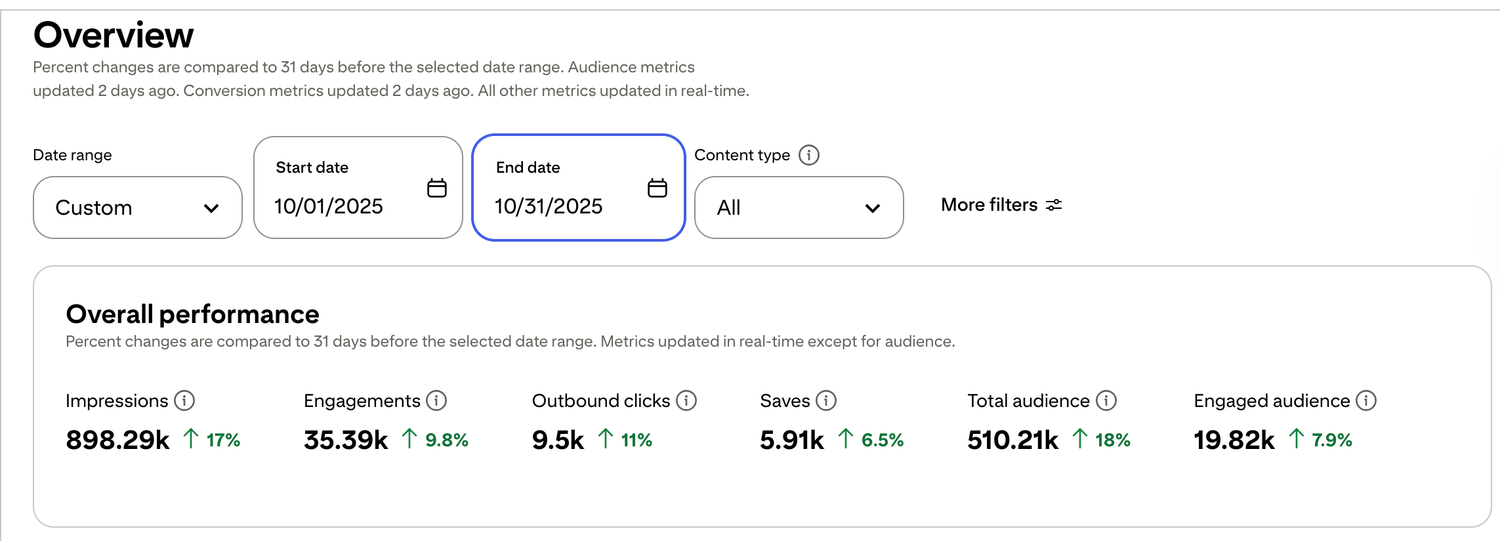
🎯 See a Real Pinterest Traffic Example
This snapshot shows how content, pin design, and posting can work together over time.
If you want my exact Pinterest affiliate setup (landing page + emails + weekly pin plan), I organized it step-by-step inside my Core System (it’s $27). No pressure — just the full process in one place.

Free guide for beginners who want a simpler starting point
🎯 Ready to See the Free Guide?
Download the guide and explore the simple setup inside.
🔒 100% Secure • No Spam • Unsubscribe Anytime

A blog sharing practical tips on online tools, affiliate marketing, beginner-friendly workflows, and working from home.


