
Best Landing Page for Pinterest Affiliate Traffic (Simple Template)
If you want better results from Pinterest, your landing page matters a lot.
A lot of people focus only on:
the pin
the keyword
the design
But then they send the click to:
a homepage
a messy blog post
a random sales page
a page with too many links
That is where a lot of conversions die.
Pinterest traffic usually needs something simpler:
one clear page with one clear next step
This post will show you what makes a good Pinterest landing page, what to avoid, and a simple template you can use for affiliate traffic.
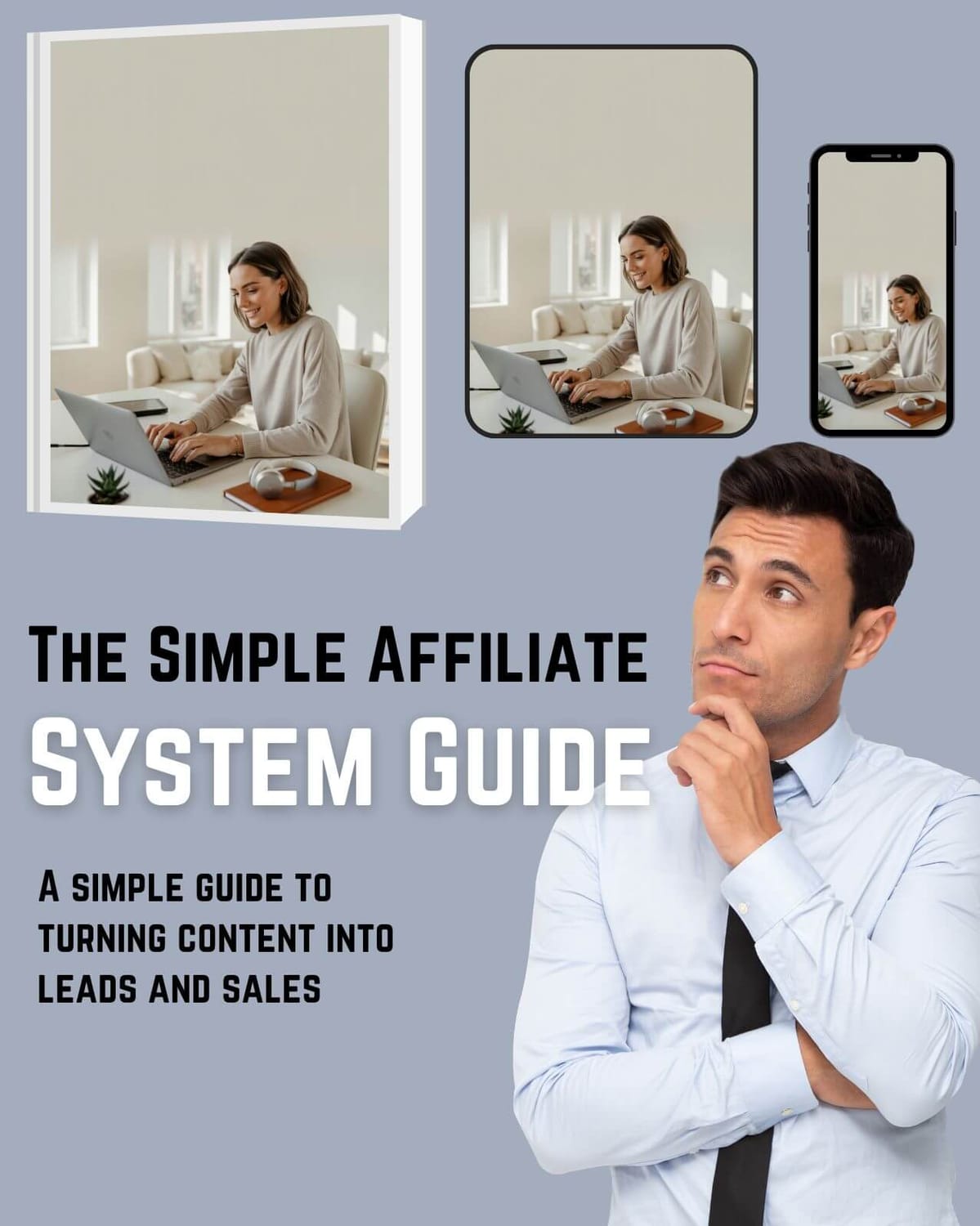
New here? Start with the free guide that shows the setup behind this process ↓
Free Setup Guide
Want the Simple Pinterest Affiliate Setup?
See how content, traffic, and follow-up can work together in a clear beginner-friendly way.
- Simple 3-step setup
- Built for beginners
- Covers pages, traffic, and follow-up
Disclosure: I may earn a commission from links in this post (no extra cost to you).
Quick truth: Pinterest traffic usually does not convert well on random pages
Pinterest users are not arriving warm.
They click because something in the pin caught their attention.
So when they land on your page, they need to understand 3 things fast:
1. What is this?
2. Why should I care?
3. What do I do next?
If your page does not answer that quickly, people leave.
That is why a simple landing page often works better than sending Pinterest traffic to:
a cluttered homepage
a category page
a page with too many options
a page that does not match the pin promise
The landing page is there to make the click feel smooth.
What makes a good Pinterest landing page?
A good Pinterest landing page is not fancy.
It is clear.
It helps the visitor go from:
curious click
to
confident next step
Here is what usually works best.
1) The page matches the pin promise
This is the most important part.
If your pin says:
“Pinterest affiliate setup”
“Landing page template”
“Clicks but no sales?”
“How to add affiliate links safely”
…your page should clearly continue that same topic.
If the pin promise and the page feel disconnected, bounce rate usually goes up.
Example
If your pin says:
Best landing page for Pinterest traffic
Your page headline should sound close to that.
Not something random like:
“Welcome to my blog”
“Make money online fast”
“Here’s my full story”
Keep the match tight.
2) The headline is simple
Your headline should be easy to understand in a few seconds.
Good landing page headlines usually:
say what the page is about
sound specific
feel beginner-friendly
make the next step clear
Good example
Free Pinterest Affiliate Setup (Safe + Simple)
Another good example
Get the Simple Pinterest Landing Page Blueprint
Weak example
Unlock the Future of Passive Income Now
That sounds vague and hypey.
Simple is stronger.
Want the simple setup behind this?
Get the free Pinterest affiliate blueprint. It shows the simple flow: niche → pins → one page → email follow-up.
Related reading: Best Affiliate Programs for Pinterest (Beginner-Friendly)
3) There is one main CTA
A Pinterest landing page should not ask people to do 5 things.
It should ask them to do one main thing.
Usually that is:
download a free guide
get the checklist
sign up for the blueprint
enter email for the next step
This is where a lot of people go wrong.
They give people:
too many buttons
too many links
too many offers
too many decisions
That creates friction.
Pinterest traffic converts better when the page feels focused.
4) The explanation is short
You do not need a giant wall of text.
Pinterest traffic usually responds better to:
a short headline
a short explanation
a few bullets
one CTA
The page should feel light and easy.
People should be able to scan it quickly and understand the point.
5) The page has trust signals
Pinterest traffic is cold traffic.
They do not know you yet.
So your page should feel trustworthy fast.
That can be done with simple things like:
a clear headline
clean design
a short “what this helps with” line
a small disclosure line if needed
a short note like “beginner-friendly”
a proof image or proof line if you have one
Trust does not need to be dramatic.
It just needs to be there.
6) The page has minimal distractions
This matters a lot.
A good landing page should not send people all over the place.
That means:
keep extra links low
avoid clutter
avoid random sidebars
avoid pushing too much too early
The goal is not to impress people with complexity.
The goal is to make the next step obvious.
What to avoid on a Pinterest landing page
Let’s keep this practical.
Here are the biggest problems that usually hurt Pinterest conversions.
1) Too many links
If your landing page has:
menu links
social links
multiple offers
random buttons
…people get distracted.
When that happens, they leave.
A landing page works best when the path feels simple.
2) Too much text above the fold
If someone lands on the page and sees a giant block of text, that can feel heavy.
Especially on mobile.
Keep the top section light.
Let them understand the page quickly.
3) Sending traffic to a homepage
A homepage is usually not the best landing page for Pinterest affiliate traffic.
Why?
Because a homepage usually tries to do too many things.
It is rarely built for one clear next step.
That makes it weaker for cold traffic.
4) Hard selling too fast
Pinterest traffic usually does better with:
help first, pitch second
If the page instantly feels like a hard sales page, many people leave.
That does not mean you cannot sell.
It means the page should first help them understand why the next step matters.
5) Clutter
Too much:
text
design noise
colors
buttons
sections
…can reduce conversions.
A simple layout usually wins.
Related reading: Affiliate Disclosure for Pinterest (Examples + Where to Put It)
Simple Pinterest landing page template
Here is a basic template that works well for Pinterest affiliate traffic.
You do not need to make it complicated.
Section 1: Headline
Use a clear headline that matches the pin.
Examples:
Free Pinterest Affiliate Setup (Safe + Simple)
Get the Pinterest Landing Page Blueprint
Simple Pinterest Affiliate Funnel for Beginners
Section 2: Short explanation
1–2 short sentences.
Example:
Learn how to choose a niche, create pins, send traffic to one page, and follow up with a short email sequence.
That is enough.
Section 3: Simple bullets
Use 3–4 bullets to make the value obvious.
Example:
beginner-friendly setup
one-page traffic flow
simple email follow-up
easy to save and use later
This helps people scan quickly.
Section 4: One main CTA
Your button should be simple.
Examples:
Get the Free Blueprint
Download the Free Guide
Get the Checklist
Start with the Free Setup
Avoid confusing button text.
Section 5: Small trust line
A short micro line works well.
Examples:
Instant access • Beginner-friendly • 30-sec signup
Simple setup • Free guide • Unsubscribe anytime
Save it now • Use it later
This keeps the page feeling easy and low-pressure.
Section 6: Optional proof
If you have proof, use it lightly.
That could be:
a Pinterest analytics screenshot
a short line about outbound clicks
a small note about what the setup helps with
It does not need to be huge.
Just enough to add confidence.
Example of a simple page flow
Here is the flow I like most for Pinterest affiliate traffic:
Pin → landing page → opt-in → email follow-up → offer
Why this works:
the pin gets the click
the landing page gives the click direction
the opt-in captures the lead
the email follow-up does more of the selling later
That is usually stronger than:
Pin → direct random offer
Especially for beginners.
Why landing pages convert better than random direct linking
Direct linking can work sometimes.
But for most Pinterest traffic, a simple landing page is stronger because it gives you:
1) Better message match
You can match the exact pin promise.
2) More trust
You can explain what the person is getting.
3) Better control
You choose what happens next.
4) A second chance
With an opt-in, you do not lose the click forever.
That is a big deal.
What makes a landing page convert?
A landing page converts when it feels easy.
That usually means:
one clear topic
one clear promise
one clear CTA
clean design
not too much going on
It is not about “secret hacks.”
It is mostly about reducing friction.
A good beginner tool for this setup
If you want to build a simple landing page for Pinterest traffic without making things too complicated, this beginner-friendly all-in-one tool is one option that fits this setup well.
Why it fits:
simple landing pages
easy opt-in setup
email follow-up in one place
beginner-friendly flow
That makes it a natural fit for Pinterest affiliate traffic, especially if you want a cleaner “one page + follow-up” setup.
Best beginner landing page mindset
Do not try to make your page “impressive.”
Try to make it:
clear
simple
useful
easy to act on
That is what converts better.
A lot of people think they need a huge funnel.
They usually do not.
For most beginners, one simple landing page is enough to start.
If your Pinterest traffic clicks but does not convert…
Your landing page may be the issue.
Ask yourself:
Does it match the pin?
Is the headline clear?
Is there one CTA?
Is there too much clutter?
Does the page feel trustworthy?
Is the next step obvious?
A lot of the time, small fixes make a big difference.
You can also read:
Pinterest Clicks but No Sales? Here’s What’s Missing (Fix This)
That post connects closely with this one.
Best page structure for Pinterest traffic (simple recap)
If you want to keep it very simple, use this structure:
Top
strong headline
short explanation
one CTA
Middle
a few bullets
optional proof
short trust line
Bottom
repeat CTA
optional soft next step
That is enough.
Simple pages often do better than complicated ones.
Should you use a blog post or a landing page?
This depends on your setup.
Use a landing page if:
you want one focused next step
you want higher opt-in intent
you want less distraction
you want a simple setup
Use a blog post if:
you want more explanation
you want more trust-building content
you want more room for internal links
you want a stronger long-term content asset
Both can work.
The key is making the click feel smooth.
If you want more on that decision, read:
Pinterest Affiliate Marketing Without a Blog vs With a Blog (What Works Now)
Quick checklist: Pinterest landing page that converts
Before sending Pinterest traffic to a page, check this:
✅ The page matches the pin
✅ The headline is clear
✅ The explanation is short
✅ There is one main CTA
✅ The page feels clean
✅ The trust signals are there
✅ The next step is obvious
If most of those are true, your landing page is in a much better place.
Want the simple setup behind this?
If you want the clean beginner setup for Pinterest affiliate marketing:
Get the free Pinterest affiliate blueprint.
It shows the simple flow: niche → pins → one page → email follow-up.
Download the free guide here ↓
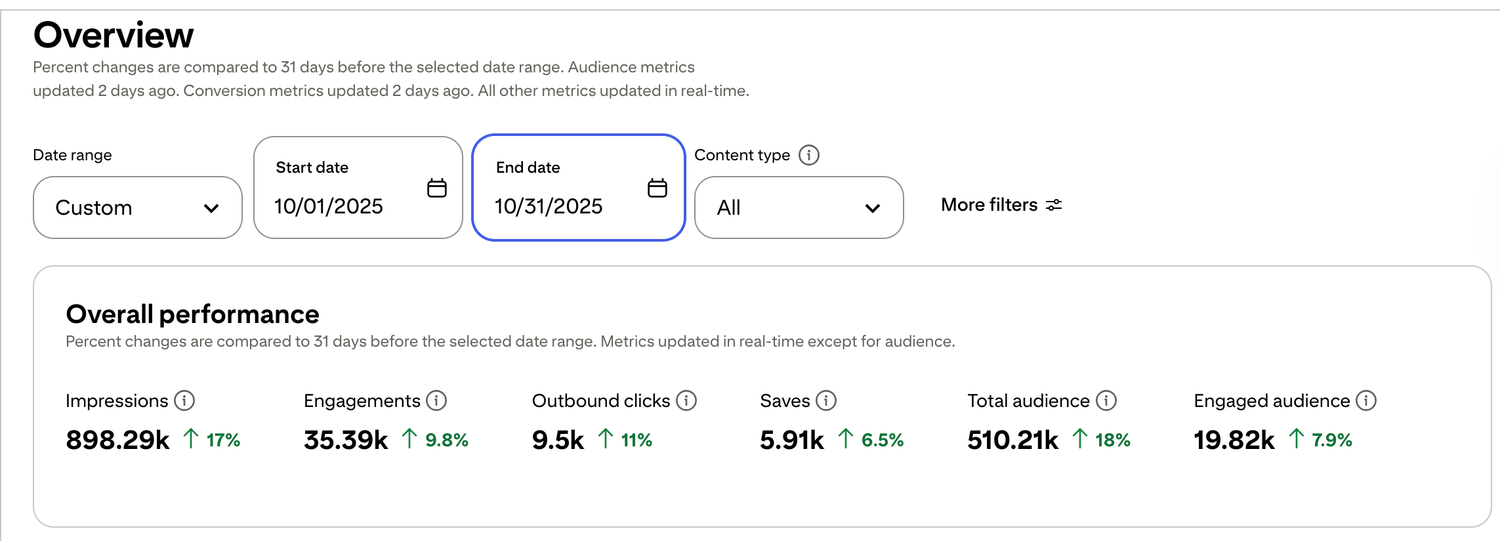
🎯 See a Real Pinterest Traffic Example
This snapshot shows how content, pin design, and posting can work together over time.
If you want my exact Pinterest affiliate setup (landing page + emails + weekly pin plan), I organized it step-by-step inside my Core System (it’s $27). No pressure — But if you want Pinterest traffic to turn into commissions, the setup matters more than trying to do everything at once.

Free guide for beginners who want a simpler starting point
🎯 Ready to See the Free Guide?
Download the guide and explore the simple setup inside.
🔒 100% Secure • No Spam • Unsubscribe Anytime

A blog sharing practical tips on online tools, affiliate marketing, beginner-friendly workflows, and working from home.


