
Best Affiliate Programs for Pinterest (Beginner-Friendly)
A lot of people ask this the wrong way.
They ask:
“What affiliate program pays the most?”
But for Pinterest, that’s not the best question.
The better question is:
“What affiliate program fits Pinterest traffic best?”
Because some offers look great on paper, but they don’t convert well with cold Pinterest clicks.
Pinterest users usually want something that feels:
helpful
simple
believable
easy to understand
So in this post, I’ll show you how to choose the best affiliate programs for Pinterest as a beginner — and what usually works better than chasing “high commission” offers.

Free Setup Guide
Want the Simple Pinterest Affiliate Setup?
See how content, traffic, and follow-up can work together in a clear beginner-friendly way.
- Simple 3-step setup
- Built for beginners
- Covers pages, traffic, and follow-up
Disclosure: I may earn a commission from links in this post (no extra cost to you).
Quick truth: not every affiliate program is good for Pinterest
This is where a lot of beginners get stuck.
They find a program with:
high commission
a big promise
a flashy sales page
Then they pin it.
They get clicks.
But no sales.
Why?
Because Pinterest traffic is cold.
People are clicking from a pin, not from a warm email list or a YouTube channel where they already trust you.
That means the best affiliate programs for Pinterest usually have these 3 things:
1. Easy to understand
2. Clear problem-solution fit
3. A clean next step
If the offer feels confusing, too aggressive, or too “guru,” conversions usually drop.
What makes an affiliate program good for Pinterest?
Here’s what I would look for first.
1) It fits your niche
This sounds obvious, but it matters a lot.
If your content is about:
Pinterest marketing
affiliate systems
blogging
online business
Then your offer should match that world.
Good fit:
email tools
funnel builders
Pinterest tools
writing tools
beginner courses
simple systems
Bad fit:
random high-paying offer that has nothing to do with your boards or content
Pinterest likes clear topic signals.
So does your audience.
2) It solves one clear problem
The best Pinterest-friendly affiliate offers usually solve a problem fast.
Examples:
“I need a landing page”
“I need email follow-up”
“I need better Pinterest keywords”
“I need a simple system”
“I need a tool to save time”
The easier it is to explain, the easier it is to sell.
3) It’s beginner-friendly
Pinterest traffic often includes beginners.
If the offer is too advanced, too expensive, or too complicated, people hesitate.
That doesn’t mean you can’t promote higher-ticket offers later.
It just means that if you want easier conversions, start with things that feel simple.
Examples:
low-cost digital products
easy tools with clear use cases
checklists, templates, beginner training
4) The sales page feels clean and trustworthy
Pinterest traffic bounces fast when a page feels:
too hypey
too loud
too fake
too long with no clarity
If the sales page feels sketchy, your clicks will die there.
Even if your pin was good.
So before promoting any affiliate program, ask:
“Would I trust this page if I clicked it cold from Pinterest?”
If the answer is no, skip it.
5) It gives you a clean page angle
This is underrated.
A good affiliate program for Pinterest should be easy to wrap in a helpful page like:
review
setup guide
“best tools” post
simple tutorial
beginner comparison
checklist page
If you can’t build a useful page around it, it’s usually a bad fit.
Remember:
Pinterest works best with helpful content first, not hard selling first.
Want the simple setup behind this?
Get the free Pinterest affiliate blueprint. It shows the simple flow: niche → pins → one page → email follow-up.
Related reading: How to Add Affiliate Links on Pinterest (Safe & Simple)
Best types of affiliate programs for Pinterest
You do not need to promote everything.
You need offers that fit how Pinterest users think.
Here are the best categories.
1) Tools and software
This is one of the best categories for Pinterest.
Why?
Because tools solve clear problems.
Examples:
landing page builders
email tools
keyword tools
writing tools
design tools
Pinterest scheduling tools
These work well because you can create useful content like:
“Best tools for Pinterest affiliate marketing”
“How I set up a simple landing page”
“Tools I use to save time on Pinterest”
That’s easy to pin.
And easy to trust.
For example, if you want a simple way to build a landing page and follow up with email in one place, Systeme.io is one beginner-friendly option to look at. It fits Pinterest traffic well because the setup is simple: one page, one opt-in, one short follow-up.
And if you want help posting more consistently, SmartQueue can make the scheduling side easier. That can help if your main problem is not ideas — it’s staying consistent long enough to let Pinterest work.
For keyword and topic research, Pinclick can also make things easier. A tool like that helps you find clearer angles and better terms before you build the post and the pins.
The reason these kinds of tools work well is simple:
They solve one clear problem.
And that is what Pinterest traffic responds to best.
2) Beginner-friendly digital products
Digital products can do very well on Pinterest if they feel realistic and useful.
Examples:
low-cost systems
beginner courses
templates
checklists
printable toolkits
mini training products
These work best when they help people get a result without feeling overwhelmed.
For Pinterest, lower-friction products usually convert better than complex, hard-sell ones.
3) Templates and done-for-you assets
Pinterest users love things that save time.
That’s why templates can work very well.
Examples:
email templates
landing page templates
content planners
pin title packs
keyword guides
simple systems
These are easy to frame as:
“save this”
“copy this”
“use this template”
That fits Pinterest behavior really well.
4) Niche products with strong problem-solution fit
If you’re in a niche, you can also promote affiliate products that solve a clear problem.
Examples:
productivity tools
wellness products
food tools
budgeting resources
business tools
The key is not the category.
The key is the fit.
If your content and the product naturally match, you have a better chance of converting.
Related reading: Pinterest Pin Strategy for Affiliate Sales (Not Just Clicks)
Best affiliate programs for beginners on Pinterest
As a beginner, I would focus on offers that are:
easy to explain
easy to trust
easy to wrap in useful content
not too expensive
not too aggressive
That usually means these are safer beginner picks:
Good beginner-friendly offers
software with one clear use case
simple digital products
templates and checklists
beginner courses
tools that save time
Harder offers for beginners
high-ticket cold traffic offers
sketchy health promises
aggressive biz-op pages
“make money fast” pages
offers that need a long explanation before they make sense
Beginners often do better when they focus on clarity over commission size.
What to avoid
This matters just as much as what to promote.
1) Offers with weak sales pages
You can send good traffic to a bad page and still make no money.
If the page is confusing, overhyped, or ugly, skip it.
2) Random offers that don’t match your content
If your boards are about Pinterest affiliate marketing, but you promote random unrelated offers, it weakens trust.
Pinterest likes topic consistency.
So do readers.
3) Programs that look too good to be true
Cold traffic is skeptical.
If the page screams:
instant riches
no work
guaranteed results
…it may get clicks, but often not quality conversions.
And long-term, it can hurt trust.
4) Offers that need too much warming up
Some products are not bad.
They just need:
deeper trust
stronger authority
more education first
Those are usually better for email later, not your first Pinterest click.
A few beginner-friendly programs that fit Pinterest well
Here are three examples of the kind of offers that make sense for this traffic.
System.io
This is a good fit if your content talks about:
simple funnels
landing pages
lead magnets
beginner email follow-up
Why it fits Pinterest:
easy to explain
beginner-friendly
simple setup angle
natural bridge from blog post to tool
A soft mention could be:
If you want a simple landing page + email follow-up tool, this beginner-friendly all-in-one option is one to look at.
Smarterqueue
This is a natural fit if your content talks about:
pin scheduling
consistency
Pinterest workflow
saving time
Why it fits Pinterest:
direct Pinterest use case
easy to frame around consistency
useful for beginners who want structure
A soft mention could be:
If you want help staying consistent with posting, this Pinterest scheduling tool can make that part easier.
Pinclick
This is a strong fit if your content talks about:
Pinterest keywords
topic research
pin ideas
search intent
Why it fits Pinterest:
clear Pinterest-specific use case
useful before content creation
fits “research before posting” angle
A soft mention could be:
If you want help finding better Pinterest keyword angles, this keyword research tool can make planning easier.
You might like - Pinterest Clicks but No Sales? Here’s What’s Missing (Fix This)
How to choose the right affiliate program (simple filter)
Before you promote anything, ask these 5 questions:
1) Does it match my niche?
If not, skip it.
2) Can I build a helpful page around it?
If yes, good sign.
3) Would a Pinterest user care about this right away?
If yes, better fit.
4) Does the page feel trustworthy?
If not, skip it.
5) Is the next step simple?
If the click path feels too confusing, it usually won’t convert well.
This simple filter saves a lot of wasted time.
The best setup for Pinterest affiliate traffic
This is the flow I trust most:
Pin → helpful page → affiliate offer → email follow-up
Why this works:
Pin
Your pin gets attention with:
a clear promise
a clear problem
a clear outcome
Helpful page
Your page builds trust and gives context.
This is where you explain:
what it is
who it’s for
why it helps
what to do next
Affiliate offer
Now the user is warmer.
They’re more likely to click and buy.
Email follow-up
If they don’t buy right away, you still have a second chance.
That’s why this setup beats random direct linking.
Example: what this looks like in real life
Let’s say you’re promoting a tool.
Your flow could look like this:
Pin
“Best landing page for Pinterest traffic”
Blog post
You explain:
what makes a landing page work
common mistakes
what beginners should include
one simple tool recommendation
CTA
“Try the tool here” or “Get the free setup guide”
That feels natural.
Not forced.
That’s the kind of affiliate path Pinterest handles well.
A smarter way to think about “affiliate programs that pay well”
A lot of people chase the highest commission.
But a lower-priced offer with:
better trust
better fit
better page match
better click intent
…can make more money than a “high-paying” offer that never converts.
So instead of asking:
“What pays the most?”
Ask:
“What converts best with my Pinterest traffic?”
That mindset is better for long-term money.
The real goal: build a small stack of good offers
You do not need 30 affiliate programs.
You need a small, clean stack.
For example:
1–2 tools
1 low-cost digital product
1 core system or template offer
1 optional follow-up offer inside email
That’s enough.
The goal is not “more offers.”
The goal is:
better fit + better flow + better follow-up
Quick checklist: should you promote this program?
Before you pin anything, check this:
✅ Fits your niche
✅ Easy to explain
✅ Solves one clear problem
✅ Sales page feels trustworthy
✅ Can be wrapped in a helpful post
✅ Good fit for cold Pinterest traffic
✅ Not too hard-sell for the first click
If most of those are true, it’s probably worth testing.
Want the exact setup?
If you want the clean beginner setup for Pinterest affiliate traffic:
Get the free Pinterest affiliate blueprint.
It shows the simple flow: niche → pins → one page → email follow-up.
Download the free guide here ↓
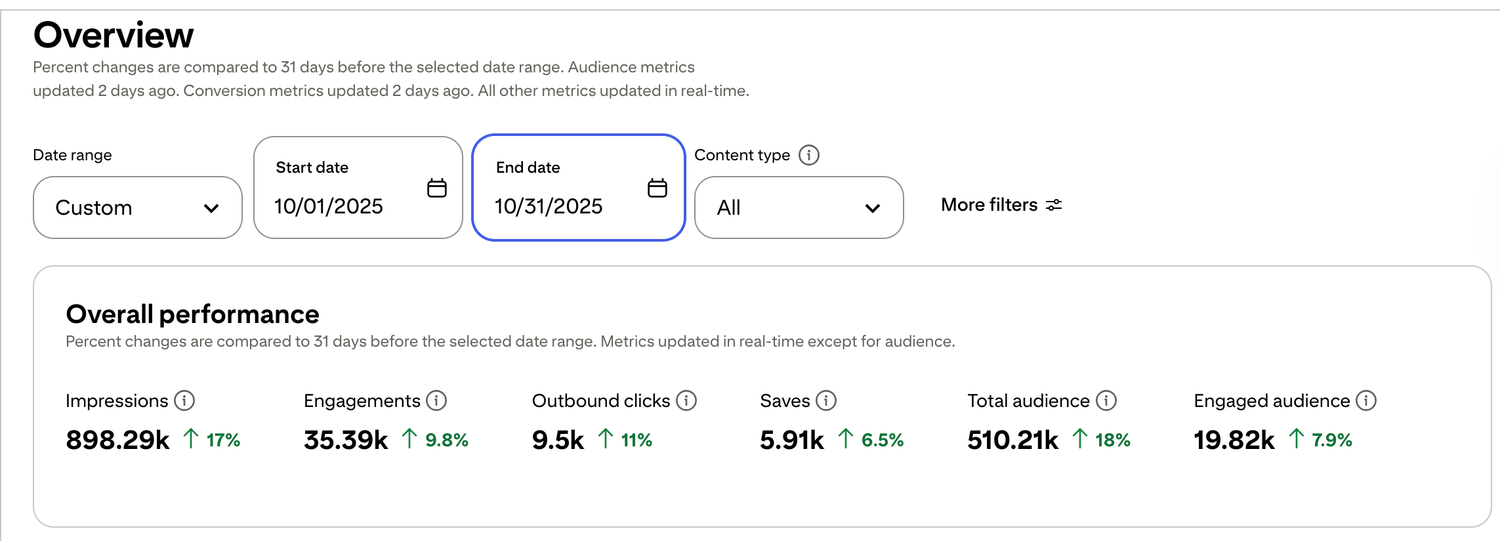
🎯 See a Real Pinterest Traffic Example
This snapshot shows how content, pin design, and posting can work together over time.
If you want my exact Pinterest affiliate setup (landing page + emails + weekly pin plan), I organized it step-by-step inside my Core System (it’s $27). No pressure — just the full process in one place.

Free guide for beginners who want a simpler starting point
🎯 Ready to See the Free Guide?
Download the guide and explore the simple setup inside.
🔒 100% Secure • No Spam • Unsubscribe Anytime

A blog sharing practical tips on online tools, affiliate marketing, beginner-friendly workflows, and working from home.


