
Simple Pinterest Affiliate Funnel on Systeme.io (Landing Page + Emails)
A lot of beginners make Pinterest harder than it needs to be.
They try to send traffic to:
random pages
direct affiliate links
messy blog posts
offers with no warm-up
Then they wonder why the clicks do not turn into much.
The problem is usually not Pinterest.
The problem is the flow.
Pinterest traffic usually works better when you give it a simple path:
pin → landing page → opt-in → short email follow-up → helpful offer
That is what a simple affiliate funnel does.
And if you want one beginner-friendly tool to build that kind of setup without making things too complicated, Systeme.io is one of the easiest options to start with.
This post will show you what a simple Pinterest affiliate funnel looks like, why it works better than random direct linking, and how to build a beginner-friendly version on Systeme.io.
New here? Start with the free guide that shows the setup behind this process ↓

Free Setup Guide
Want the Simple Pinterest Affiliate Setup?
See how content, traffic, and follow-up can work together in a clear beginner-friendly way.
- Simple 3-step setup
- Built for beginners
- Covers pages, traffic, and follow-up
Disclosure: I may earn a commission from links in this post (no extra cost to you).
Quick truth: Pinterest traffic usually needs a simple funnel
Pinterest traffic is cold traffic.
Most people clicking your pin are not ready to buy right away.
They are curious.
They want help.
They want a clear next step.
That is why a simple funnel usually works better than:
sending people to a homepage
dropping them on a hard sales page
using random direct affiliate links with no context
A simple funnel gives the click direction.
It helps the visitor understand:
1. what this is
2. why it matters
3. what to do next
That is what improves conversions.
What is a simple Pinterest affiliate funnel?
Keep this simple.
A beginner-friendly Pinterest affiliate funnel usually looks like this:
Step 1: Pin
Your pin gets the click.
The pin should make one clear promise, like:
Pinterest affiliate setup
landing page template
how to get more clicks
beginner funnel guide
Step 2: Landing page
The pin sends people to one clear page.
That page should:
match the pin promise
explain the next step quickly
give one main CTA
Usually that CTA is:
get the free guide
download the checklist
get the blueprint
Step 3: Opt-in
The visitor gives you their email.
This matters because not everyone buys on the first click.
Pinterest traffic often needs more time.
Step 4: Short email follow-up
Now you can follow up with:
more help
more context
a simple tool recommendation
a core paid offer
a related affiliate offer
This is where a lot of the money gets built.
Step 5: Helpful offer
Instead of forcing a hard sale too early, you recommend something that fits naturally.
That could be:
a tool
a simple digital product
your core system
a beginner setup offer
That is the basic funnel.
Nothing fancy.
And that is exactly why it works.
Want the simple setup behind this?
Get the free Pinterest affiliate blueprint. It shows the simple flow: niche → pins → one page → email follow-up.
Related reading: How To Make Money By Pinning on Pinterest (Beginner Guide)
Why this works better than random direct linking
A lot of people try to skip the funnel.
They think:
“Why not just send people straight to the affiliate link?”
Sometimes that can work.
But for most Pinterest traffic, it is weaker.
Here is why the simple funnel works better.
1) More trust
A landing page helps warm the click.
The visitor sees:
what they are getting
why it matters
what the next step is
That feels better than getting dropped on a random offer page.
2) Better message match
If your pin says:
Simple Pinterest affiliate funnel
and the landing page says:
Get the Simple Pinterest Funnel Blueprint
…the click feels smooth.
That lowers friction.
3) You keep the lead
If someone clicks and leaves, the traffic is gone.
If they opt in first, you get another chance.
That is a big upgrade.
4) More control
When the page and email sequence belong to you, you can improve:
the wording
the CTA
the bridge
the offer placement
the follow-up
That gives you more room to improve results over time.
Why Systeme.io fits this setup well
If your goal is to keep things simple, Systeme.io fits this kind of Pinterest affiliate funnel really well.
Why?
Because it gives you the main pieces in one place:
landing page builder
opt-in forms
email follow-up
automation
simple funnel structure
That is useful because beginners often get stuck trying to connect too many tools.
A tool like Systeme.io can make the setup feel much lighter if you want one place to build the page and handle the email side too.
That is one reason it fits Pinterest traffic well.
Related reading: Affiliate Disclosure for Pinterest (Examples + Where to Put It)
What pages do you actually need?
A lot of beginners think they need a huge funnel with 7 pages.
Usually, they do not.
For a simple Pinterest affiliate funnel, you usually only need:
1) One landing page
This is the main page the pin leads to.
Its job is simple:
match the pin
explain the offer/lead magnet
get the opt-in
That is it.
2) One thank-you or bridge page
After the opt-in, you can send people to a thank-you page.
That page can:
confirm the opt-in
tell them to check their email
give a soft next step
introduce a helpful tool or offer
This is a great place for a low-pressure bridge.
3) A short email sequence
Even 3–5 emails can make a difference.
You do not need a huge advanced automation at the start.
You just need:
one welcome email
one value email
one “next step” email
one soft tool or offer email
one reminder email
That is enough to begin.
A simple beginner funnel example
Let’s make this practical.
Pin
“Simple Pinterest Affiliate Funnel for Beginners”
Landing page
Headline:
Get the Simple Pinterest Funnel Blueprint
Short explanation:
Learn how to create one landing page, collect emails, and follow up with a short beginner-friendly funnel.
CTA:
Get the Free Blueprint
Thank-you page
Short note:
Your guide is on the way.
Optional next step:
Want the tool that makes this setup easy to build? Here is the simple page + email tool I use.
Emails
Email 1:
welcome + guide
Email 2:
simple setup explanation
Email 3:
common mistakes
Email 4:
tool recommendation or core offer
Email 5:
reminder + next step
That is a real beginner funnel.
Simple.
Clean.
Usable.
What to put on the landing page
Your landing page does not need to be dramatic.
It needs to be clear.
A strong Pinterest landing page usually has:
A simple headline
Example:
Free Pinterest Affiliate Funnel Blueprint
A short explanation
Example:
Learn how to send Pinterest traffic to one page, capture emails, and follow up with a short beginner-friendly sequence.
3–4 bullets
Example:
simple landing page setup
beginner-friendly email flow
clear next step after the click
easy to use later
One CTA
Example:
Get the Free Blueprint
A small trust line
Example:
Instant access • Beginner-friendly • 30-sec signup
That is enough.
If you want the full page breakdown, read:
Best Landing Page for Pinterest Affiliate Traffic (Simple Template)
What to put in the emails
A lot of people overcomplicate this.
You do not need a long fancy email funnel to start.
You just need emails that:
feel human
keep the topic aligned
help people move one step forward
Here is a simple beginner sequence.
Email 1: Welcome
Deliver the guide.
Set expectations.
Keep it simple.
Email 2: Quick win
Explain one useful step from the funnel.
Maybe:
one page
one CTA
one follow-up idea
Email 3: Common mistake
Talk about something people get wrong, like:
too many links
random direct linking
no email follow-up
Email 4: Helpful tool or offer
This is where a soft tool mention can fit naturally.
For example, if you are explaining how to keep the whole funnel simple, this beginner-friendly funnel tool is a natural fit because it gives you the page + email side in one place.
Email 5: Reminder / next step
Keep it low pressure.
Remind them what the setup helps with.
Give them one clear next step.
That is enough to start.
Related reading: How to Track Pinterest Affiliate Clicks (So You Stop Guessing)
What to avoid with a beginner Pinterest funnel
This matters just as much as what to build.
1) Too many pages
You do not need a massive funnel at the beginning.
That usually creates more confusion than results.
2) Too many offers
If your funnel tries to promote 5 different things at once, it gets messy fast.
Keep it focused.
3) Sending cold traffic straight to a hard sale
Sometimes people are just not ready yet.
A softer bridge usually works better.
4) Weak message match
If the pin says one thing and the page says another, people bounce.
Keep the promise aligned.
5) No follow-up
This is one of the biggest leaks.
If you do not collect the lead, a lot of traffic disappears.
Who this setup is best for
This kind of simple funnel is a strong fit for:
beginners
Pinterest affiliate marketers
bloggers who want a cleaner setup
creators who want one page + follow-up
people tired of random-link chaos
It is especially helpful if you want:
more structure
better trust
a cleaner flow
a second chance after the click
The smartest way to think about the funnel
Do not think:
“How do I build a huge funnel?”
Think:
“How do I make the Pinterest click feel simple?”
That mindset is better.
Because the job of the funnel is not to impress people.
The job is to help them move smoothly from:
pin
to page
to opt-in
to follow-up
to offer
That is all.
A very simple recap
If you want the easiest beginner version, think of it like this:
Pin
gets attention
Landing page
matches the promise
Opt-in
captures the lead
warms the lead
Offer
fits naturally
That is the funnel.
Quick checklist: simple Pinterest affiliate funnel
Before you build or improve your funnel, check this:
✅ One niche
✅ One clear landing page
✅ One main CTA
✅ One lead magnet or free next step
✅ One short email sequence
✅ One helpful offer
✅ One smooth path from click to get sale
If most of those are true, your setup is already stronger than a lot of random Pinterest traffic setups.
Want the simple setup behind this?
If you want the clean beginner setup for Pinterest affiliate marketing:
Get the free Pinterest affiliate blueprint.
It shows the simple flow: niche → pins → one page → email follow-up.
Download the free guide here ↓
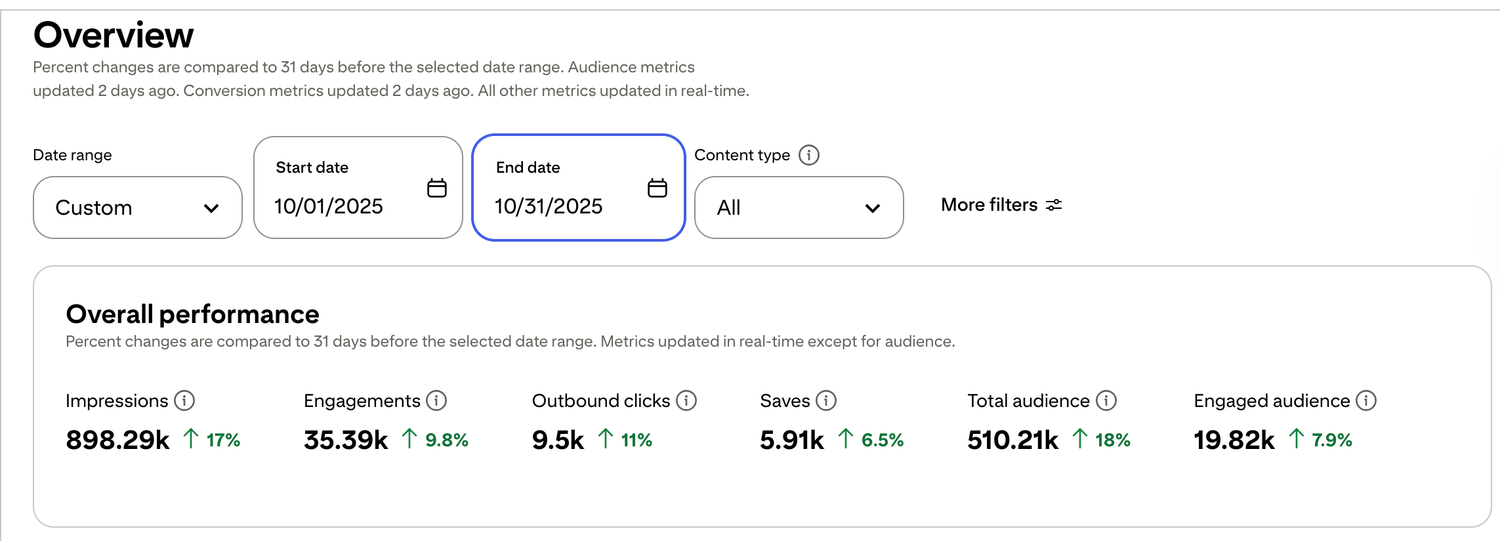
🎯 See a Real Pinterest Traffic Example
This snapshot shows how content, pin design, and posting can work together over time.
If you want my exact Pinterest affiliate setup (landing page + emails + weekly pin plan), I organized it step-by-step inside my Core System (it’s $27). No pressure — But if you want Pinterest traffic to turn into commissions, the setup matters more than trying to do everything at once.

Free guide for beginners who want a simpler starting point
🎯 Ready to See the Free Guide?
Download the guide and explore the simple setup inside.
🔒 100% Secure • No Spam • Unsubscribe Anytime

A blog sharing practical tips on online tools, affiliate marketing, beginner-friendly workflows, and working from home.


