
How Beginners Can Make Money on Pinterest: 5 Simple Ways
Pinterest can be a great place for beginners to start.
But one of the biggest mistakes people make is thinking Pinterest itself is the money.
It is not.
Pinterest is the traffic.
The real money usually comes from what that traffic leads to.
That could be:
affiliate offers
blog content
email signups
digital products
service pages
a simple follow-up system
That is why some people get Pinterest clicks but still make no money.
They have traffic, but they do not have a clear path behind it.
The good news is this:
You do not need a huge audience to start making Pinterest work.
You just need a simple setup that makes sense.
In this guide, I will show you 5 simple ways beginners can make money on Pinterest, what usually works best, and how to think about Pinterest traffic in a smarter way.

Free Setup Guide
Want the Simple Pinterest Affiliate Setup?
See how content, traffic, and follow-up can work together in a clear beginner-friendly way.
- Simple 3-step setup
- Built for beginners
- Covers pages, traffic, and follow-up
Disclosure: At no cost to you, I may get commissions for purchases made through links in this post.
Can Beginners Really Make Money on Pinterest?
Yes, they can.
But Pinterest works best as a discovery and traffic platform.
People come to Pinterest to:
look for ideas
save useful content
plan something
solve a problem
click into helpful pages
That means Pinterest can absolutely help you make money.
But the money usually does not happen on Pinterest itself.
It happens after the click.
That is why a better beginner question is not:
How do I make Pinterest pay me?
It is:
What should my Pinterest traffic lead to?
That one question changes everything.
Best Pinterest Money Methods at a Glance
| Method | Best For | Skill Level | Time to Start |
|---|---|---|---|
| Affiliate marketing | Beginners who want simple monetization | Easy | Medium |
| Digital products | Creators | Easy | Medium |
| Blogging | Long-term traffic and income | Easy | Medium |
| Service-based offers | Freelancers and beginners | Easy | Fast |
| Brand deals or sponsored content | Established accounts | Medium | Slow |
Related reading: Pinterest Affiliate Marketing Earn Money by Pinning
1. Use Pinterest for Affiliate Marketing
Affiliate marketing is one of the easiest ways for beginners to start monetizing Pinterest traffic.
It works like this:
You create content around a topic, recommend a product or tool, and earn a commission if someone buys through your link.
Best for:
Beginners who want a simple monetization model without creating their own product first
Why this works:
Pinterest users are already searching for ideas, solutions, and recommendations.
That makes Pinterest a strong place to attract people who are already interested in a topic.
Beginner tip:
Do not send random Pinterest traffic straight to random offers.
That usually does not convert well.
A better setup looks like this:
pin
helpful page
opt-in or useful next step
follow-up
relevant offer
That flow is usually much stronger than relying only on a direct click.
If you want to keep that setup simple, this beginner-friendly all-in-one tool can help you build landing pages, collect emails, and follow up without needing a bunch of separate tools.
2. Sell Digital Products
Pinterest can also work very well for digital products.
This is a strong option if you want to create something once and sell it more than once.
Digital products can include:
checklists
mini guides
templates
planners
printables
prompt packs
short ebooks
Best for:
Beginners who like creating helpful resources
Why this works:
Pinterest users often respond well to simple content that solves one clear problem.
That makes digital products a natural fit, especially when they are:
useful
easy to understand
visually appealing
beginner-friendly
Beginner tip:
Keep the product simple.
A smaller, more useful product usually works better than something big and overwhelming.
Pinterest traffic often does better with offers that feel:
practical
visual
easy to say yes to
That is why simple usually wins.

Related reading: How to Add Affiliate Links on Pinterest (Safe & Simple)
3. Use Pinterest to Grow a Blog
Blogging is one of the best long-term ways to make money with Pinterest.
This is because Pinterest can send traffic to blog posts that help you:
build trust
grow an email list
support affiliate income
warm up cold readers
create a more stable content system
Best for:
Beginners who want to build a long-term online asset
Why this works:
A blog gives your Pinterest traffic somewhere useful to land.
Instead of hoping a click turns into money, you can guide the reader through:
helpful content
a clear next step
an opt-in
a relevant offer
That makes your traffic much more valuable.
Beginner tip:
Do not try to build a huge blog right away.
Start with:
one niche
one audience
simple content
one clear monetization path
If you want a simple way to get your blog online, this beginner-friendly blog setup is a great place to start.
4. Promote Services With Pinterest Traffic
Pinterest is not only useful for blogs and affiliate offers.
It can also help you get traffic for services.
This can work well if you offer things like:
writing
Pinterest help
design
social media help
templates
freelance services
simple digital support
Best for:
Beginners who want to use Pinterest traffic to support service-based income
Why this works:
Some Pinterest users are actively looking for help, not just inspiration.
That means your content can lead to:
a service page
a lead magnet
a simple contact form
a booking page
a portfolio page
Beginner tip:
Keep the path simple.
One helpful page and one clear next step is often enough.
You do not need a complicated funnel.
5. Use Pinterest for Brand Deals or Sponsored Content Later
This is usually not the best first monetization method for beginners.
But it can become an option later.
If your Pinterest account grows and you build a clear niche, brands may be willing to pay for:
sponsored content
promoted pins
product features
partnerships
branded campaigns
Best for:
Pinterest accounts with a clearer niche and more established content
Why this works:
Brands care about relevance.
If your account consistently reaches the right kind of audience, that can become valuable.
Beginner tip:
Do not make this your first goal.
Focus first on:
content
traffic
opt-ins
simple monetization
Then think about brand deals later.
📘 Want to See the Full Affiliate Setup?
If you want a clearer look at how the pieces fit together, this free guide walks through the setup in a simple beginner-friendly way.
Related reading: Pinterest Clicks but No Sales? Here’s What’s Missing (Fix This)
What Pinterest Traffic Should Lead To
This is one of the most important things beginners need to understand.
Traffic by itself does not mean much.
A click is only valuable if it leads somewhere useful.
That is why one of the best ways to think about Pinterest is this:
Pinterest brings the click.
Your system turns the click into something more.
That system might look like:
pin → blog post → opt-in
pin → landing page → email list
pin → helpful article → offer
pin → service page → inquiry
A lot of people focus too much on getting more traffic.
But in many cases, the bigger problem is that the traffic has nowhere strong to go.
That is why a simple system often matters more than chasing more clicks.
A Better Way to Think About Pinterest Strategy
A lot of beginners make Pinterest harder than it needs to be.
They focus on:
getting more impressions
posting more pins
chasing trends
trying random ideas
But the real question is:
What is the goal behind the pin?
A better Pinterest strategy usually looks like this:
pick one niche
create helpful content
send traffic somewhere useful
give the reader one clear next step
repeat what works
That is much stronger than pinning a lot with no clear path.
Pinterest works better when your:
pin
page
message
next step
all connect clearly.
Which Pinterest Method Is Best for Beginners?
That depends on what feels easiest for you to start.
Here is a simple way to think about it:
Best if you want the simplest starting point:
affiliate marketing
service-based offers
Best if you want something you own:
digital products
blogging
Best later on:
brand deals
sponsored content
For most beginners, the best method is not the most exciting one.
It is the one you will actually follow through on.

Related reading: Pinterest Pin Strategy for Affiliate Sales (Not Just Clicks)
What Pinterest Beginners Should Do First
If you are brand new, keep things simple.
Start with this:
1. Choose one niche
Do not try to pin about everything.
A focused niche is easier to grow and easier to monetize.
2. Choose one monetization path
Do not mix too many offers and ideas at once.
Pick one main path first.
3. Create content that leads somewhere useful
Your pin should not be the whole strategy.
It should lead into a page that gives the reader a clear next step.
4. Add an opt-in if it fits
This helps you do more with your traffic instead of depending only on one click.
5. Stay consistent
Pinterest often rewards steady effort more than random bursts.
If you want help posting more consistently, this Pinterest scheduling tool can make that part easier.
Use it only if it naturally fits your workflow.
Common Mistakes Beginners Make on Pinterest
A lot of people get clicks but still make no money because of simple mistakes like:
sending traffic to weak pages
promoting random offers with no system
pinning in too many directions
having no opt-in or follow-up
focusing only on traffic, not what the traffic leads to
expecting fast results without consistency
Pinterest can absolutely help you grow.
But it works better when your content and your next step fit together clearly.
Final Thoughts
Pinterest can be a great platform for beginners.
But the real opportunity is not just getting clicks.
It is knowing what those clicks should lead to.
That is why the best beginner Pinterest setup is usually something simple like:
helpful content
one clear opt-in
one follow-up path
one relevant offer
You do not need a huge account.
You do not need a complicated funnel.
You just need a clear path that makes sense for the kind of traffic you are getting.
That is where real progress starts.
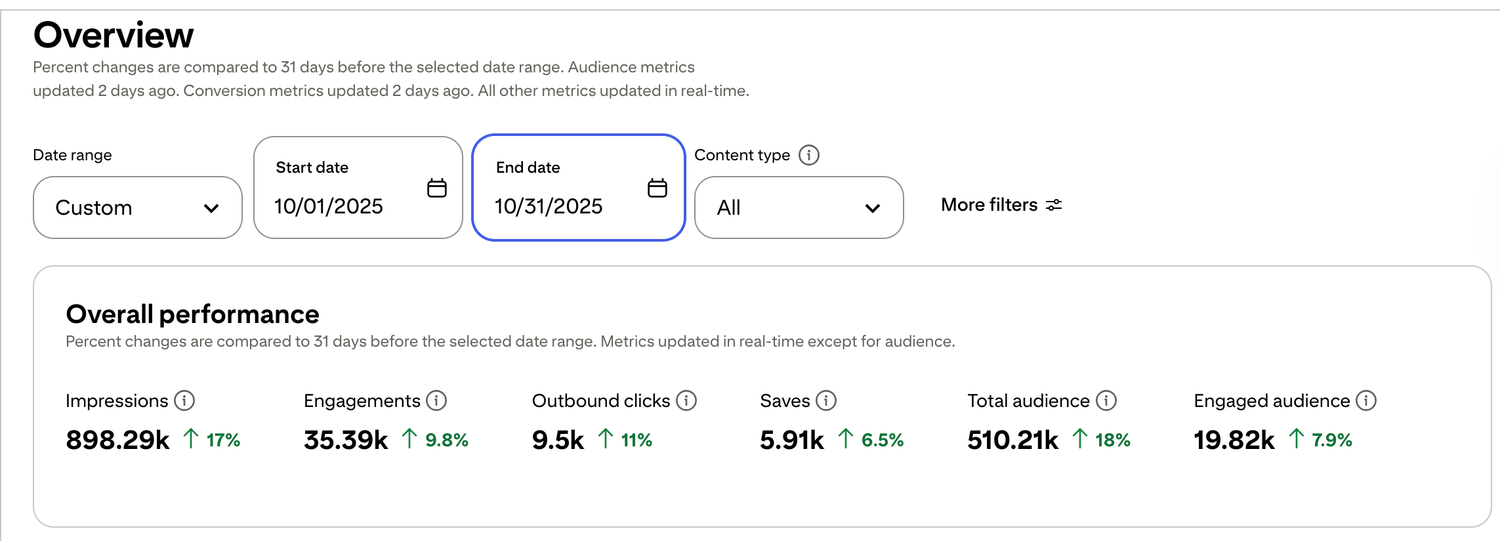
🎯 See a Real Pinterest Traffic Example
This snapshot shows how content, pin design, and posting can work together over time.
Want to see how the full setup fits together? Start with the free setup guide . It walks through the pages, follow-up, and simple structure step by step.

Free guide for beginners who want a simpler starting point
🎯 Ready to See the Free Guide?
Download the guide and explore the simple setup inside.
🔒 100% Secure • No Spam • Unsubscribe Anytime

A blog sharing practical tips on online tools, affiliate marketing, beginner-friendly workflows, and working from home.


