
Why Most People Quit Right Before It Works
A lot of people do not quit because they are lazy.
They quit because they are tired.
Tired of trying.
Tired of waiting.
Tired of second-guessing.
Tired of doing work that does not seem to pay off yet.
That kind of tired is dangerous.
Because when people are exhausted, they do not always make clear decisions.
They make emotional ones.
And one of the most common emotional decisions in online business is this:
“I’ve done enough. Maybe this just isn’t for me.”
That thought shows up more often than people admit.
Especially when progress feels slower than expected.
Especially when you are getting some signs, but not the full result yet.
Especially when you are close enough to feel the effort, but not close enough to feel the payoff.
That is where a lot of people quit.
Not at the very beginning.
But in the middle.
In the uncomfortable stage where the system is still forming, the results are still uneven, and the mind starts looking for escape.
That stage is the quitting trap.
And the hard truth is this:
A lot of people leave right before things were finally about to get clearer.
Want the full breakdown and next steps?
Start with the free guide that shows the setup behind this process ↓

Free Starter Guide
See the Simple System Behind This Process
Get the free guide that breaks down the simple steps, pages, and flow behind this online business system.
🔒 Get the Free Guide ➜Disclosure: At no cost to you, I may get commissions for purchases made through links in this post.
Why People Quit Online Business
Most people do not quit because online business never works.
They quit because the process feels heavier than they expected.
At the start, everything feels exciting.
New plan.
New content.
New goal.
New energy.
But after that first wave wears off, real work begins.
And real work is less exciting.
It is repetition.
Testing.
Fixing weak points.
Waiting for data.
Trying again without always getting instant feedback.
That is the stage where people start asking:
How much longer is this supposed to take?
What if I am wasting my time?
What if I picked the wrong thing?
What if I am just not good at this?
These questions do not mean someone is weak.
They mean they are in the stage where emotion gets louder than progress.
And that is exactly why so many people quit too early.
The Dangerous Part About “Almost Giving Up”
There is a moment many people reach that feels small from the outside but huge on the inside.
It is the moment where they are not fully quitting yet…
but they are already mentally stepping away.
They stop posting as consistently.
They stop testing carefully.
They stop improving the message.
They stop paying attention to what is actually changing.
They are still “there,” but their belief is fading.
That stage is dangerous because once belief drops, consistency usually drops with it.
And when consistency drops, the system never gets enough repetition to mature.
That is why “almost giving up” matters.
It is often the stage right before someone loses the momentum they were slowly building.
Why The Middle Feels So Frustrating
The middle is where most people struggle.
Not the start.
Not the finish.
The middle.
Because the middle feels unclear.
You have done enough work to feel tired, but not enough to feel fully rewarded.
You may have:
some clicks
some saves
a few leads
better content than before
more understanding than when you started
But maybe not enough sales yet.
Not enough proof yet.
Not enough certainty yet.
That gap creates frustration.
Because now you can feel that something is happening, but it still does not feel solid enough.
This is where people start doubting the system.
But often, the system is not broken.
It is just unfinished.
📘 If This Matches Where You Are, Start Here
Get the free guide that breaks down the simple setup behind this process and what to focus on first.
Online Business Frustration Usually Comes From Misreading The Stage
Frustration is often a stage problem.
People think:
“If this were working, it would feel better by now.”
But that is not always true.
A lot of things work before they feel convincing.
That is one of the hardest parts of building online.
Because visible results are often delayed, but emotional pressure is immediate.
You feel the pressure every day.
You do not always see the progress every day.
That mismatch creates frustration.
And when people do not understand that, they start treating a normal stage like a final verdict.
They think the system failed.
When really, they may just be earlier than they wanted to be.
What Often Happens Right Before It Works
This part matters.
What people call “it finally worked” usually does not come from one magic moment.
It usually comes after a series of smaller shifts:
clearer messaging
more focused content
better traffic fit
simpler funnel flow
stronger trust
more consistent action
Those things stack quietly.
For a while, they do not look dramatic.
Then suddenly, one day, the results feel more real.
A better response.
A first sale.
A stronger conversion.
A post that finally catches.
A system that starts making more sense.
From the outside, it looks sudden.
But it usually was not sudden.
It was stacked progress becoming visible.
That is why quitting too early is so expensive.
Because you may leave during the quiet stacking stage and never see what it was about to turn into.
Why Quitting Feels Logical In The Wrong Moment
One reason people quit too early is because quitting can feel rational when emotions are high.
You tell yourself things like:
I’m just being realistic
I don’t want to waste more time
I’ve already tried enough
Maybe I need something totally different
Sometimes those thoughts are valid.
But often, they come from exhaustion more than truth.
That is important to understand.
Because tired people often confuse discomfort with failure.
They assume:
“This feels hard, so it must not be working.”
But many systems feel hardest right before they become clearer.
Not because the struggle is magical.
Because repetition is finally exposing what needs to change.
That clarity often arrives late.
Related reading: Why Slow Progress Is Normal (And Why That’s a Good Sign)
Should You Quit Making Money Online?
Sometimes yes.
If the model is dishonest, unhealthy, or clearly not aligned with what you want, walking away can make sense.
But most of the time, that is not what is happening.
Most of the time, people are not dealing with a broken model.
They are dealing with:
impatience
fatigue
scattered focus
unrealistic expectations
lack of trust in the process
Those things create the urge to quit long before the process has been judged fairly.
So before quitting, ask a better question:
Am I truly on the wrong path?
Or am I just in the hard part of the right path?
That question changes everything.
The Hidden Cost Of Quitting Too Soon
When people quit too soon, they do not just lose potential future results.
They also lose all the lessons they were finally close to unlocking.
Because a lot of learning happens right before results improve.
You start seeing:
what content pulls the best people
what message gets ignored
where your flow breaks
where trust rises
what actually needs fixing
If you quit too early, all of that gets interrupted.
Then later, when you start something else, the cycle repeats.
New excitement.
New effort.
New frustration.
New quitting point.
That loop keeps people stuck for years.
Not because they never work.
Because they never stay long enough to let the lessons compound.
What To Do Instead Of Quitting In Frustration
Do not make huge decisions in the middle of emotional fatigue.
Instead, slow down and look at the stage more clearly.
Ask:
What has improved, even if revenue has not yet?
What part of the system is stronger than before?
Where are people responding?
What still feels weak or unclear?
Am I truly stuck, or just uncomfortable?
These questions help separate:
real failure
fromtemporary friction
That is a very important difference.
Because one needs a full change.
The other may only need refinement and more reps.
Why Patient People Usually Win More Than Emotional People
This is not about being emotionless.
It is about not letting emotion make the final decision too early.
Patient builders still feel doubt.
They still get tired.
They still get frustrated.
The difference is that they do not let every low moment rewrite the whole strategy.
They keep enough distance to ask:
What is actually happening?
What is this stage teaching me?
What should I improve instead of abandoning?
That mindset changes outcomes.
Because it keeps the system alive long enough to strengthen.
And once the system strengthens, results have somewhere to come from.
The Real Reason This Stage Matters
The stage where people want to quit is often the stage where weak builders disappear and stronger builders begin separating themselves.
Not because stronger builders never struggle.
Because they keep going with more clarity.
They let the process reveal what needs work instead of using discomfort as proof that nothing works.
That is the real shift.
Not blind hope.
Better interpretation.
Related reading: From Clicks to First Sales: What Changes
Final Thought
Most people do not quit because nothing was happening.
They quit because what was happening did not yet feel rewarding enough.
That is different.
And it matters.
Because a lot of progress looks unimpressive before it becomes useful.
A lot of systems look messy before they become clear.
A lot of wins show up later than emotions want them to.
That is why quitting too soon is one of the most expensive mistakes online.
You may not be far from a breakthrough moment.
You may simply be in the quiet stage right before things finally start making more sense.
If you want the free guide behind this process, Grab the guide here ↓
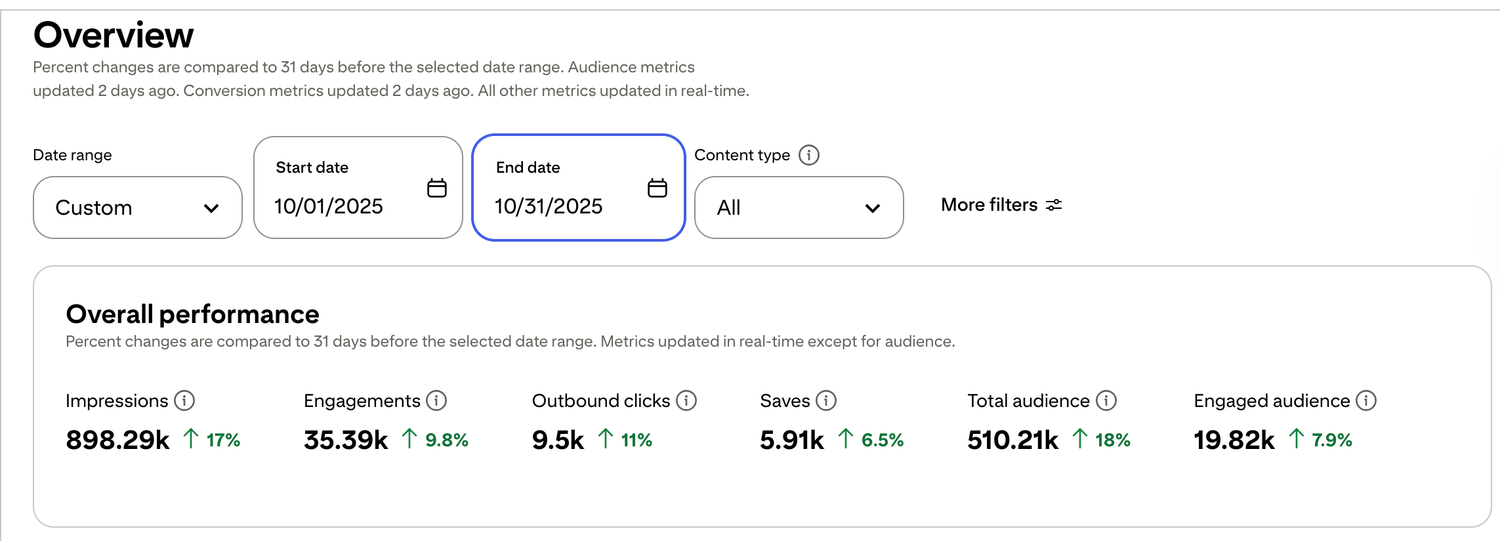
🎯 See a Real Pinterest Traffic Example
This snapshot shows how content, pin design, and posting can work together over time.
If you want the exact system behind this process, you can get instant access here: Get the $27 system here

Free guide for beginners who want a simpler starting point
🎯 Ready to See the Free Guide?
Download the guide and explore the simple setup inside.
🔒 100% Secure • No Spam • Unsubscribe Anytime

A blog sharing practical tips on online tools, affiliate marketing, beginner-friendly workflows, and working from home.


