
Why Slow Progress Is Normal (And Why That’s a Good Sign)
One of the biggest reasons people quit online too early is simple:
They expect progress to feel faster than it actually does.
At first, that sounds reasonable.
You work hard.
You post.
You build.
You try to stay consistent.
So when results do not show up quickly, it is easy to assume something is wrong.
Maybe the niche is wrong.
Maybe the content is weak.
Maybe the offer is bad.
Maybe the platform is broken.
Maybe this whole thing just is not working.
That is where impatience starts turning into doubt.
And doubt is dangerous, because once people start doubting the process, they usually stop repeating the actions that were finally starting to build momentum.
That is why this matters:
Slow progress does not always mean bad progress.
Sometimes slow progress is actually a good sign.
Sometimes it means you are doing real work instead of chasing shortcuts.
Sometimes it means you are finally building something strong enough to last.
Want the full breakdown and next steps?
Start with the free guide that shows the setup behind this process ↓

Free Starter Guide
See the Simple System Behind This Process
Get the free guide that breaks down the simple steps, pages, and flow behind this online business system.
🔒 Get the Free Guide ➜Disclosure: At no cost to you, I may get commissions for purchases made through links in this post.
Why Online Business Feels Slow In The Beginning
Most online progress is delayed.
That is the part people do not talk about enough.
When you build online, there is often a gap between the work you do and the result you want.
You might spend days or weeks:
creating content
learning what your audience responds to
improving your message
setting up pages
testing offers
building trust
And during that time, visible results can feel small.
That delay makes people uncomfortable.
They want a quick signal that says:
“Yes, this is working.”
But online business does not always reward people instantly.
A lot of the early phase is invisible.
You are building:
clarity
skill
structure
trust
data
None of that feels exciting at first.
But it matters.
Why Results Take Longer Than Expected
There are a few reasons progress often takes longer than people want.
First, most people start with unrealistic expectations.
The internet is full of fast claims, big screenshots, and loud promises.
That makes normal growth feel disappointing.
Second, early content usually needs repetition before it gets strong.
Your first message is rarely your clearest one.
Your first page is rarely your best one.
Your first traffic efforts are rarely the most efficient.
That does not mean you are failing.
It means you are refining.
Third, trust takes time.
Most people do not see one piece of content and instantly buy.
They click.
They browse.
They leave.
They come back later.
They watch how consistent you are.
They start to understand what you do.
That process is slower than people expect, but it is also more real.
Slow Progress Can Mean The Right Things Are Finally Happening
This is the part many people miss.
Slow progress can actually be a good sign because it often means you are no longer just chasing random action.
You are starting to do the deeper work.
You are learning what your audience cares about.
You are seeing what gets clicks.
You are noticing which content gets ignored.
You are getting better at saying the same message more clearly.
You are beginning to build a system instead of just trying ideas.
That kind of progress is harder to see, but it matters more.
Fast results can feel exciting.
But slow, steady progress often creates stronger foundations.
And stronger foundations usually win over time.
Start with the free guide here ↓
📘 If This Matches Where You Are, Start Here
Get the free guide that breaks down the simple setup behind this process and what to focus on first.
Related reading: You’re Getting Traffic… But No Money. Here’s Why.
What Slow Progress Often Looks Like
Slow progress does not always look impressive from the outside.
It may look like:
one post doing slightly better than the others
a few more clicks than last week
more saves, but not many sales yet
better page flow
a stronger call to action
clearer writing
more confidence in your message
Small improvements do not always feel important in the moment.
But when they stack, they change everything.
This is how real momentum usually starts.
Not with one giant breakthrough.
With repeated small wins that make the system stronger.
Why Impatient People Usually Lose
Impatience makes people change direction too fast.
They switch offers too early.
They switch strategies too early.
They switch platforms too early.
They switch messages before the old one had time to work.
Every time they do that, they reset the learning.
They lose:
pattern recognition
data
clarity
consistency
confidence
Then they mistake the reset for action.
But restarting is not the same as progressing.
This is why patient builders often get further than smarter builders.
They stay long enough to let the process teach them something.
Making Money Online Takes Time Because Systems Need Reps
People love the idea of online income.
What they do not always love is the repetition required to get there.
A system needs reps.
You need enough content to see patterns.
You need enough traffic to spot weak points.
You need enough testing to know what is actually helping.
You need enough time to separate bad strategy from normal delay.
Without reps, everything feels random.
With reps, things start becoming clearer.
That is why slow progress can be useful.
It gives the system time to reveal what is working and what is not.
Why Slow Progress Builds Better Buyers
There is another upside people rarely mention.
Slow progress often helps build better buyers.
Why?
Because when your message gets stronger over time, your audience becomes more qualified.
The impatient people leave.
The curious people stay.
The serious people pay attention.
That means your system does not just get more traffic.
It often gets better traffic.
And better traffic is worth more than random attention.
This is one reason honest, trust-based content can outperform flashy content over time.
It filters people.
And filtering the wrong people out is a good thing.
What To Do When Progress Feels Too Slow
When progress feels slow, do not rush to destroy the whole system.
First, ask better questions.
Ask:
what is improving, even a little?
where are people clicking?
where are they dropping off?
what message seems strongest?
what part feels clearer than before?
Those questions help you build from reality instead of emotion.
Because emotion says:
“This is too slow. Start over.”
Reality often says:
“You are closer than you think. Tighten the weak points and keep going.”
That is a very different response.
The Good Sign Hidden Inside Slow Progress
Slow progress often means you are finally doing real business-building work.
Not fantasy.
Not hype.
Not random tactics.
Real work.
The kind that teaches you:
what your audience wants
what your system needs
what your message should say
where your weak points are
what deserves more repetition
That is valuable.
It may not feel flashy.
But it is how stronger systems are built.
Final Thought
If progress feels slower than expected, do not assume that means failure.
Sometimes it means your work is finally moving beyond excitement and into structure.
And structure is what gives progress a chance to compound.
A lot of people quit because they wanted proof too fast.
But slow progress is often where the real proof begins.
It shows that something is being built.
And when something real is being built, that is a good sign.
If you want the free guide behind this process, Grab it here ↓
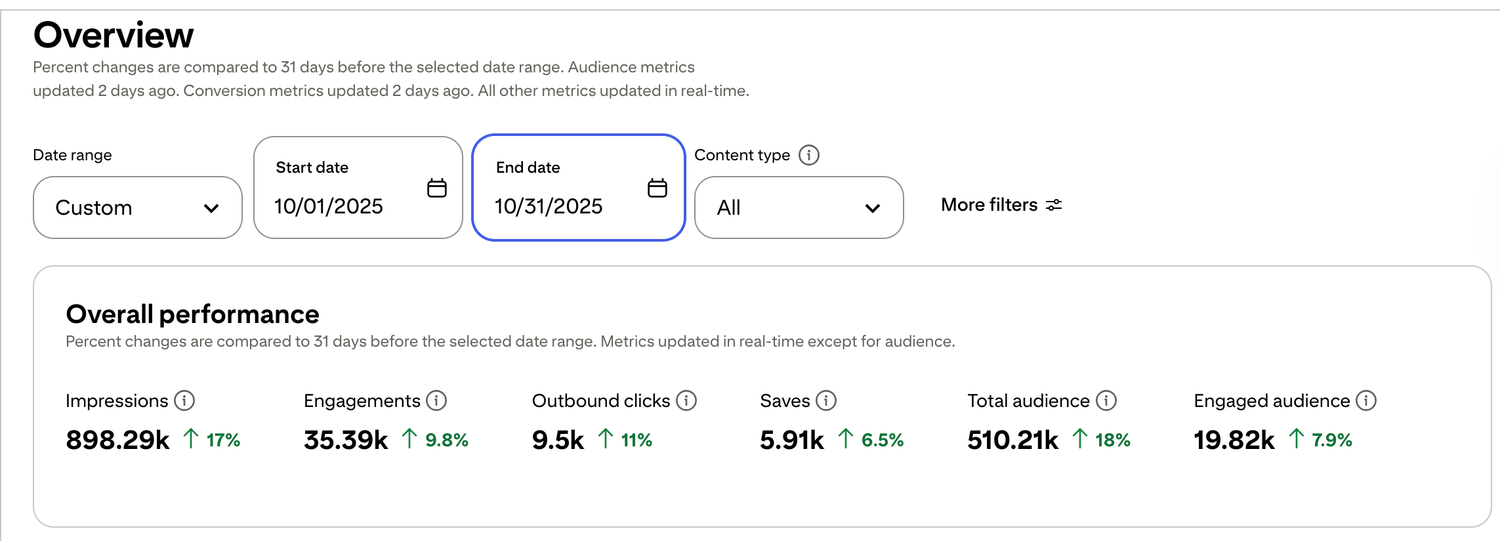
🎯 See a Real Pinterest Traffic Example
This snapshot shows how content, pin design, and posting can work together over time.
Want the exact system behind this process? Get instant access here: Get the $27 system here

Free guide for beginners who want a simpler starting point
🎯 Ready to See the Free Guide?
Download the guide and explore the simple setup inside.
🔒 100% Secure • No Spam • Unsubscribe Anytime

A blog sharing practical tips on online tools, affiliate marketing, beginner-friendly workflows, and working from home.


