
9 Easy Money Tips for Fast Investing Growth
The basics of smart investing never change. I reached financial freedom through wise investments, and now I want to share my best tips with you.
These tips have helped me and many others make solid long-term gains. Stick with me until the end, and I'll show you how these simple investing tips can turn a small amount of money into a lot!
Let’s get started.

Free Setup Guide
Want the Simple Pinterest Affiliate Setup?
See how content, traffic, and follow-up can work together in a clear beginner-friendly way.
- Simple 3-step setup
- Built for beginners
- Covers pages, traffic, and follow-up
Disclosure: At no cost to you, I may get commissions for purchases made through links in this post.
9 Easy Investing Tips for Beginners
1. Think Long Term
Don't invest if you're looking to get rich quickly. However, if you're patient, a mix of dividends, rent, and capital gains can give you around a 10% return each year over the long term.
Keep in mind, though, that investments can go down in value, sometimes by a lot, in the short term. For example, I've stayed invested through some tough times like:
The burst of the Internet bubble in 2000
The 2007-2008 financial crisis
The pandemic market collapse in 2020
Having a long-term mindset is key to staying invested during tough times. The most successful investors make the most money when others are panicking.
So, what does long-term mean? I recommend at least five years. For me, it’s been a lifetime of making long-term investments.
You might like: Top 10 High-Paying Work at Home Careers
2. Determine Your Investment Objectives
Understanding why you want to invest is crucial for developing a long-term mindset. You need to be clear about your investment goals.
Here are some possible reasons for investing:
Building long-term wealth
Getting involved in the stock market
Achieving financial freedom early
Earning extra income through dividends
Planning for retirement
So, what's your reason for starting to invest?
3. Adopt An Investing Strategy
Understanding your investment goals helps you choose the right strategy, as not all strategies are the same.
Here’s how I categorize investment strategies:
Conservative Investors: Higher income with lower growth potential.
Aggressive Investors: Higher growth with lower income.
Balanced Investors: A mix of growth and income.
A Few Simple Options to Explore When Your Budget Feels Tight
When money feels tight, it helps to start with options that are easy to understand, simple to try, and realistic for everyday life.
- Survey Junkie: A simple place to start if you want something low-pressure to check in your spare time without needing special skills or setup. Sign up here
- Swagbucks: A good fit if you want one platform that brings together surveys, cashback, and a few different small online activities in one place. Sign up here
- Get Paid to Take Photos: A beginner-friendly guide for people who want to explore a more creative option using everyday photos they already take on their phone. See the beginner guide
4. Choose Your Investments Wisely
Having a clear strategy makes choosing investments easier. Here’s a simple guide:
Conservative Investors: Look at certificates of deposit, money market funds, and bonds.
Aggressive Investors: Focus on stocks.
Balanced Investors: Consider adding real estate, like your home or rental properties, to your portfolio.
For stock investing, you can simplify it with index funds, exchange-traded funds (ETFs), or mutual funds. Personally, I prefer dividend stocks for their balance of growth and income.
For serious real estate investors, I highly recommend this amazing tool to help you discover great deals in the market.
5. Invest Regularly
From investing tip #1, we know that a long-term view is crucial. But short-term habits are also important.
Specifically, invest money regularly. I use dollar-cost averaging, which means I invest a set amount of money in stocks each month. This helps me stay on track with my goal of monthly investments.
We’re halfway through! Keep going, and don’t forget to save this Pinterest PIN to come back to this post later.

6. Diversify Your Investment Portfolio
I often get asked: What’s the best number of investments to own?
My answer is: Have enough investments to ensure good diversification, but not so many that you can’t manage them effectively.
The right number of investments varies for each person. For instance, one stock market ETF and one rental property might offer enough diversification for some investors.
If you’re investing in individual stocks, a good rule of thumb is to hold between 20 and 30 high-quality companies.
One mistake I made as a young investor was holding too many stocks. I ended up with more companies than I could effectively monitor. Plus, many of my stock positions were too small to make a significant impact on my returns.
Related reading – 10 Best Ways to Save Money on a Low Income
📘 Want to See the Full Setup?
If you want a clearer look at how the pieces fit together, this free guide walks through the setup in a simple beginner-friendly way.
7. Use Consistent Selling Criteria
How do you decide when to sell an investment?
Ideally, you want to buy investments and hold them long-term. However, even the best investors need to sell sometimes.
I mainly sell investments that no longer align with my strategy. For instance, as I’ve aged, I’ve shifted from aggressive to more conservative investments.
Having clear investment goals and a solid strategy makes it easier to decide when to sell.
8. Learn As Much As You Can
The more you learn about investing, the better you’ll become. So, keep educating yourself as much as possible.
Be smart: know what you’re doing and understand where your money is going.
9. Consider Alternative Investments
Putting all your money into one type of investment is rarely a smart move. As you gain more investing experience, think about adding different asset classes to balance out the ups and downs of individual investments.
Alternative investments, like commodities, land, cryptocurrencies, or precious metals, can be a good addition based on your age and financial situation.
For investors like us, even small amounts of money can make a big difference. For instance, if you save and invest just $50 a month with a 10% annual return, you'll have around $5,000 in about six years.
On the other hand, if you choose not to invest, you might end up with nothing.
The choice is yours. Personally, I prefer to invest regularly.
That’s it for now. Let me share some final thoughts.
Good investors stay disciplined. They know the fundamentals of investing and apply these tips consistently.
You might like – 10 Simple Ways to Stick to Your Budget and Make Every Dollar Count
Here are the 9 investing tips for beginners:
1.Think long term
2.Determine your objectives
3.Adopt an investing strategy
4.Choose investments wisely
5.Invest regularly
6.Diversify your investments
7.Use consistent selling criteria
8.Learn as much as you can
9.Consider alternative investments
Save this PIN to your favorite Pinterest board

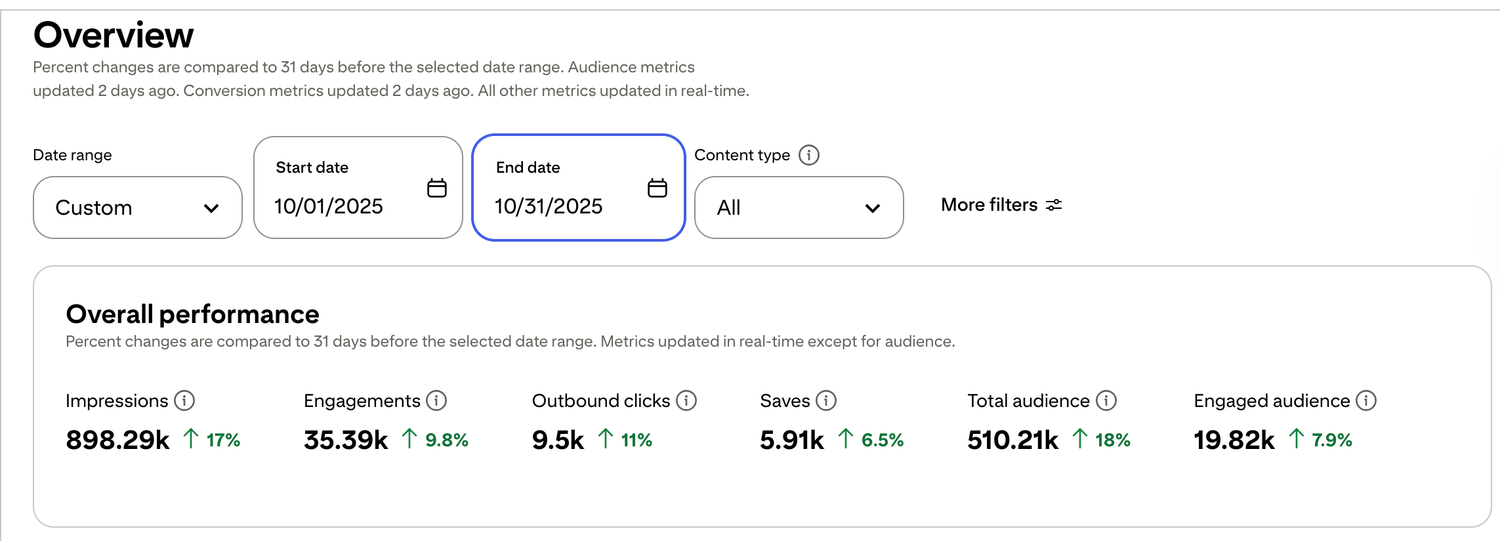
🎯 See a Real Pinterest Traffic Example
This snapshot shows how content, pin design, and posting can work together over time.
Want to see how the full setup fits together? Start with the free setup guide . It walks through the pages, follow-up, and simple structure step by step.

Free guide for beginners who want a simpler starting point
🎯 Ready to See the Free Guide?
Download the guide and explore the simple setup inside.
🔒 100% Secure • No Spam • Unsubscribe Anytime

A blog sharing practical tips on online tools, affiliate marketing, beginner-friendly workflows, and working from home.


